Can diatomite filter aid help minimize microbiological load during beverage filtration?
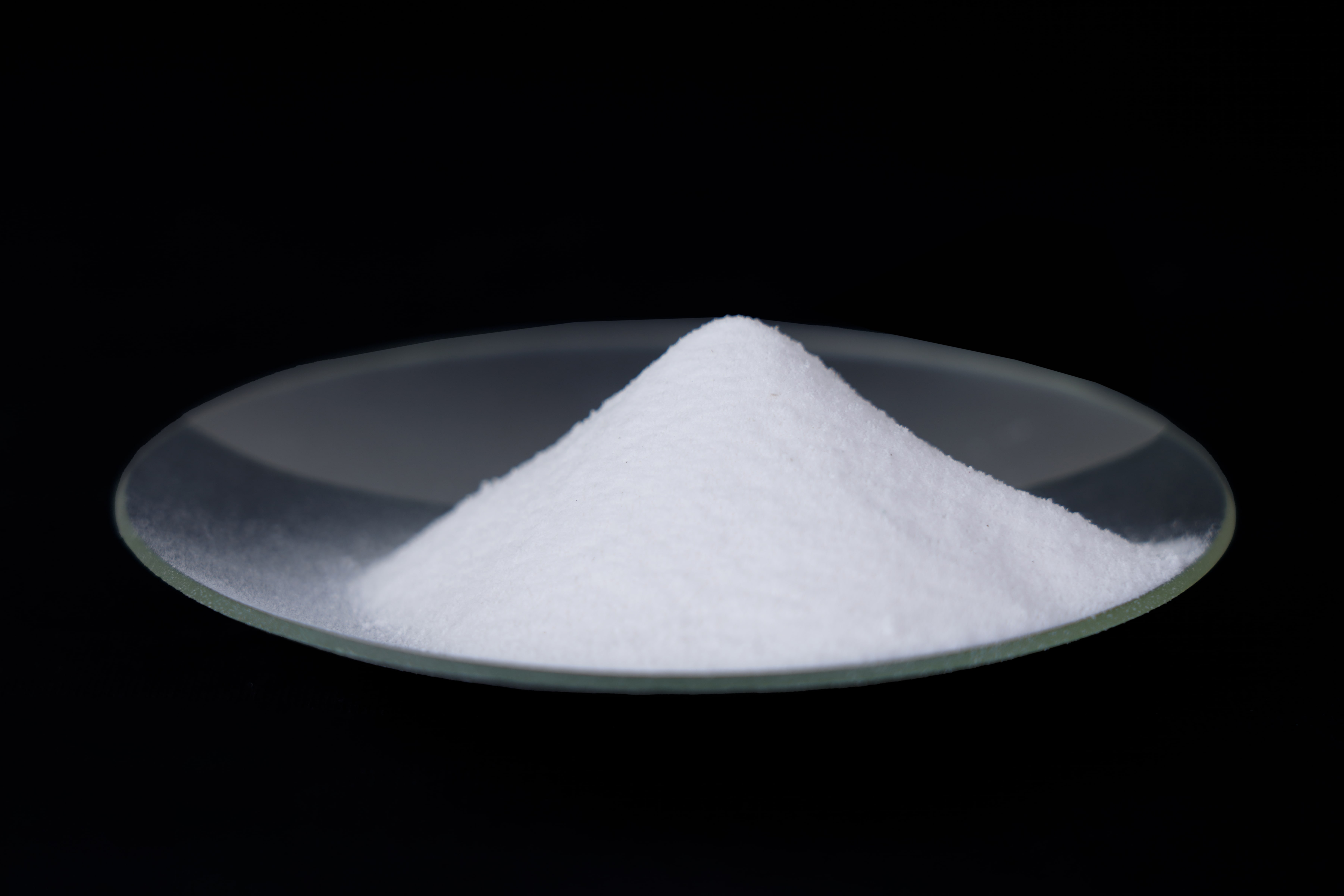
Startingporous sediment exhibits remarkable filter aid generally implemented in various processing tasks, particularly within drink processing. Generated from the fossilized remains of prehistoric microbes, it possesses a unique cellular framework that facilitates optimal conveying. The element executes by creating a subtle particulate screen on a strain apparatus, absorbing diatomaceous earth infinitesimal fragments while letting the fluid through. Selecting the appropriate type of siliceous filter medium is vital for achieving desired results.
Employing Fossilized Diatoms Material for Filtration
Sedimentary residue, composed of the fossilized remains of microscopic algae called diatoms, presents a exclusive approach for cleansing various materials. Its structure, a porous network of silicon dioxide shells, provides an incredibly extensive surface area. This allows for highly potent removal of sediments from aqueous systems. Employments range from liquid conditioning and fermented drink generation to recreational water cleaning and even agricultural tactics. Merits include its organic origin, reasonable price compared to multiple synthetic alternatives, and its competence to efficiently trap a all-encompassing variety of pollutants.
- Confers superior matter removal.
- Can be a earth-friendly choice.
- Fitting for various markets.
Modified Bleaching Stratum: Attributes and Uses
Upgraded bleaching material is a style of unprocessed bentonite that has undergone particular processing to elevate its bleaching faculties. This procedure typically involves biochemical adjustment, resulting in a intensified formation with a massive exterior. Consequently, it exhibits phenomenal proficiency to capture pigments from a comprehensive selection of mixes, finding significant purposes in the decolorization of greases, tallow, and other colored ingredients. Additionally, its biodegradable characteristic and financial viability contribute to its growing use in various businesses.
Evaluating Diatomite and Alternative Filtration Media
Finding the correct filter medium for a specific process can be complicated. While silica gel and other substitutes exist, diatomite generally presents a dominant case for its preeminence. When assessed with these alternatives, diatomite frequently offers amplified clarity and a more significant pace of screening matter. However, the most choice ultimately is based on elements such as budget, task requirements, and desired outcome standard.
Understanding The Mechanism of Diatomite Filtration
Fossilized diatoms alternatively called siliceous powder filtration cleaning leverages the unique singular structure of characteristic microscopic diminutive algae entities. These or the diatoms, upon or after death, form or create a sedimentary or mineral rock substance composed made of intricately extremely porous built silica silicon shells. This said porous honeycomb-like network matrix provides an incredibly or exceptionally large extent for capturing particulate dimensionless matter pollutants from through liquids moist environments, achieving allowing highly profound detailed filtration screening.
Boosting Bleaching Efficiency with Activated Earth
Elevating said whitening system applying enhanced earth presents a potent approach for boosting productivity. The referred eco-friendly material, taken from soil, possesses distinguished retaining traits that permit it to effectively purify stained compounds from textiles, thereby diminishing reliance on harsh artificial ingredients and facilitating a greater consequence.
Grasping Filter Powder Quality Levels
Determining the suitable diatomite variety is vital for competent clarification processes. Diatomite grades are grouped by their particle proportion, usually expressed in nano-scales. Lower grades, like FF or Filter-X, offer top-notch purity and are preferable for fine liquids, while heavier grades, such as Perlite or Celite 500, give a heightened processing speed for diminished processes. Understanding these divergences will assist you to enhance your filtration effects and curtail expenses pertaining with the process.
Green Sourcing of Micro-shell Earth
The rising demand for mineral sediment earth necessitates a focus on green sourcing policies. Traditional mining often comprises significant ecosystem disturbance and can impact regional ecosystems. As of now, forward-thinking businesses are developing alternatives, such as revitalization of retired sites, ensuring reduced disruption and preserving organismic habitats. Furthermore, monitoring in the distribution is growing crucial, allowing customers to establish informed decisions and encourage environmentally safe procedures. Consequently, responsible management of diatomite earth stocks is vital for enduring availability and restricted environmental outcomes.
- Reduced land impact.
- Rehabilitation of digging sites.
- Elevated monitoring in the transit.
Enhanced Clearing Stratum: A Chemical View
Considering a technical angle, treated lightening soil represents a distinctive class of silicate minerals. At first, kaolinite mud is molecularly modified via enhancement – typically involving alkaline application – to dramatically improve its receptive capabilities. Such processing creates a large surface with a significant number of reactive residues, facilitating the retention of stained pollutants from fluids. The action mainly involves electrostatic linkages and dispersion engagements, causing a brighter substance.