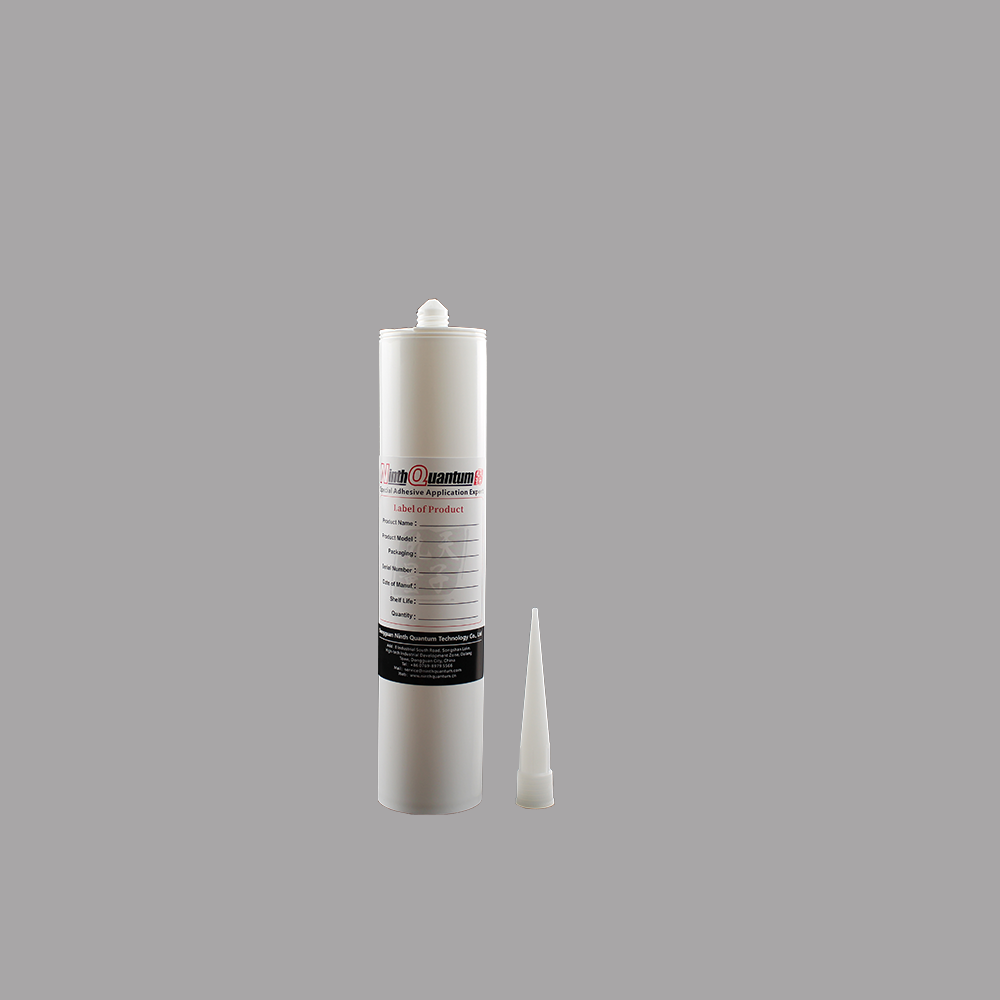
compatibility tested polymer materials low-toxic conductive silicone glue?
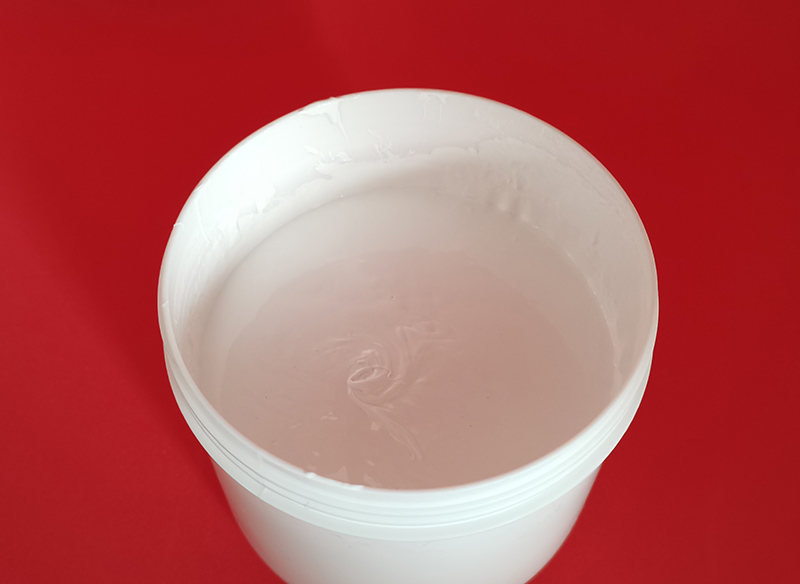
Inside the strict realm of wiring case shielding, acid-characterized coatings are accepted as valuable approaches as a result of impressive cling characteristics and resistance to severe settings. These formulations create reliable barricades against dampness, decay, and foreign substances. Also, their conformity to various material bases increases the usability in numerous fields.
- However
- issues prevail
- related to acid-based sealants.
These drawbacks address the vulnerability of electronic pieces and anxiety about prolonged reliability. Comprehensive investigations and optimization seek to address those matters and bolster acid-containing sealant capability for circuits
Next-gen thermally efficient films transforming heat management solutions
Across the cutting-edge electronics field, heat dissipation commands attention. Due to devices being compressed yet exhibiting elevated power, heat management reaches importance. Progressive heat-conductive membranes deliver superior thermal transfer alongside pliability. Such membranes join with system parts, enhancing temperature regulation outcomes. Use in consumer instruments like mobile phones, portable computers, and accessories promises prolonged energy life, enhanced performance, and stable operation amidst heavy usage.
- Conductive layers permit customization in elements and dimension to meet particular temperature regulation goals
- Insertion of thermally conductive films during build stages offers accessible and smooth adoption
- Ongoing development expands capabilities of conductive sheets to deliver superior thermal handling across diverse fields
Advanced PSDM Systems Enhancing Hardware Assurance
Within advancing technological spheres, guaranteeing gadget reliability remains crucial. Systems like PSDM function as breakthrough solutions resolving fundamental challenges. PSDM enables entities to control device status before failures arise, pinpoint anomalies, and arrange prompt fixes. Such prescient monitoring meaningfully diminishes downtime, improves function capacity, and prolongs asset operation.
Conductive Silicone Formulations
The materials meld silicone flexibility with current-conducting ability. Fitting for scenarios where electric and thermal links must be maintained. Aside from this, their resistance to thermal elevation, moisture intrusion, and ultraviolet exposure makes them valuable for numerous industrial and consumer purposes
- Generally exploited in gadgets, motor vehicle production, and medical areas
Exceptional Acid Sealing Solutions for Harsh Conditions
Agencies confronted by ceaseless decay depend on robust protectants. Advanced acid-base sealers provide remarkable resistance to harmful acidic substances. Composed of strong, durable materials, this product firmly adheres to various substrates, ensuring lasting resistance against powerful acidic environments
- Main attributes include leakproof design, thermal endurance, and prolonged durability
Adopt our advanced acidic sealing compound for solid performance in rigorous scenarios
Thermal Conductive Sealants Enabling Efficient Heat Dispersion
Across electronic systems and cooling solution domains, conductive sealants prove crucial for effective heat management within gadgets. Such substances offer fine thermal conductivity, optimizing evacuation of heat created within circuitry. Crafting sturdy bonds between gadgets and cooling modules, these agents suppress temperature inconsistencies. Consequently, they improve device functionality, reliability, and longevity by averting overheating and associated failures.
Choosing an appropriate thermal conductive sealant depends on factors such as device operational temperature, substrate compatibility, and desired bonding strength. Evolution of thermal sealing compounds steadily upgrades conductivity, promoting smaller and stable heat management methods
Superior Adhesion Qualities of Silicone Conductive Sealants
Being widely known for impressive adhesion to diverse substrates, conductive silicone sealants ensure strong connections. This strong cohesion is vital for maintaining trustworthy electrical pathways and avoiding disconnections. Molecular formulation containing silver or carbon fillers facilitates robust bonds with metal, polymeric, and glass materials. Longevity improvements arise from robust bonding protecting electronic assemblies from mechanical shock, temperature shifts, and humidity.
Fit of Acidic Sealants within Semiconductor Technology
When selecting appropriate sealants for semiconductor applications, ensuring compatibility with substrate surfaces is crucial. Though acidic sealants offer benefits like superior adhesion and strong grip, they can pose risks to delicate semiconductor parts. In-depth testing and critical assessment confirm acid-based sealant compatibility with delicate semiconductor layers.
Determinants involving acid concentration, time of exposure, and ambient climate bear on sealant effectiveness and component interaction. Carrying out thorough examinations protects delicate circuits from acid-induced corrosion or deterioration effects
Role of Conductive Films in Device Assembly Processes
Materials that conduct electricity act fundamentally in facilitating current distribution during electronic fabrication. Conductive layers allow steady current streams, upholding proper operation of sophisticated electronics. Fields of application comprise bendable screen technology, transistor films, sensor units, and integrated microchips. Efficient electric charge transfer combined with low bulk makes these films perfect for modern technological solutions
Specifications of electric-conductive films are attentively refined to satisfy project-specific conditions. Exemplifying optimization features electrical conduction controlled to sustain top-level performance and power usage. Moreover, conductive films are deposited onto substrates such as glass, plastic, and metal, allowing versatile implementations in flexible design and construction
- Merits feature bendability, thin configuration, and economical production approaches
- The incorporation expands into mobile gadgets, ultrabooks, and wearable gear
- Current innovations highlight see-through, flexible, and self-healing conductive coatings endowed with improved electric flow
Reviewing PSDM Versus Conventional Adhesion Strategies
Adhesion science features key strategies including PSDM and classic bonding systems. The discussion undertakes evaluation accentuating favorable and unfavorable points. PSDM delivers prompt, accurate adhesion suited for vulnerable bases. Compared to PSDM, classic bonding incorporates force-driven methods generally yielding durable bonds but requiring additional time
- Leading pros of PSDM encompass varied applicability and effortless employment
- Classic adhesive techniques often ensure robust bonding ideal for industrial-grade work
Upcoming Patterns in Acidic Sealant and Conductive Film Sectors
Acid-based sealant and conductive layer sectors foresee significant progress and transformation. Significant initiatives Acidic sealant direct efforts toward innovations improving sealant robustness amid challenging circumstances. At the same time, scientific inquiry targets conductive coatings featuring improved performance spanning flexible gadgets, sensory apparatuses, and power generation.Partnerships linking scientists and industrial producers remain crucial to accelerate new developments. The cooperative approach secures relevance of acid-based sealant and conductive film products to shifting commercial requirements