high speed focused brushless direct current OEM propulsion systems?
Commencementin an detailed survey pertaining to sensorless brushless motors along with these mechanical operations.
BLDC motors provide a robust method to normal conventional electric motors in broad fields. These units utilize powerful magnetic coils and optimized high-tech circuits to induce rotational moment. This removes the imperative for contact brushes, initiating greater operation, decreased maintenance tasks, and prolonged operation time.
- Also, brushless DC motors feature uninterrupted operation, miniature size, and exceptional torque-to-weight ratio.
- Consequently, they are employed by a wide diversity of uses, featuring
High-Accuracy Micro Gear Motors
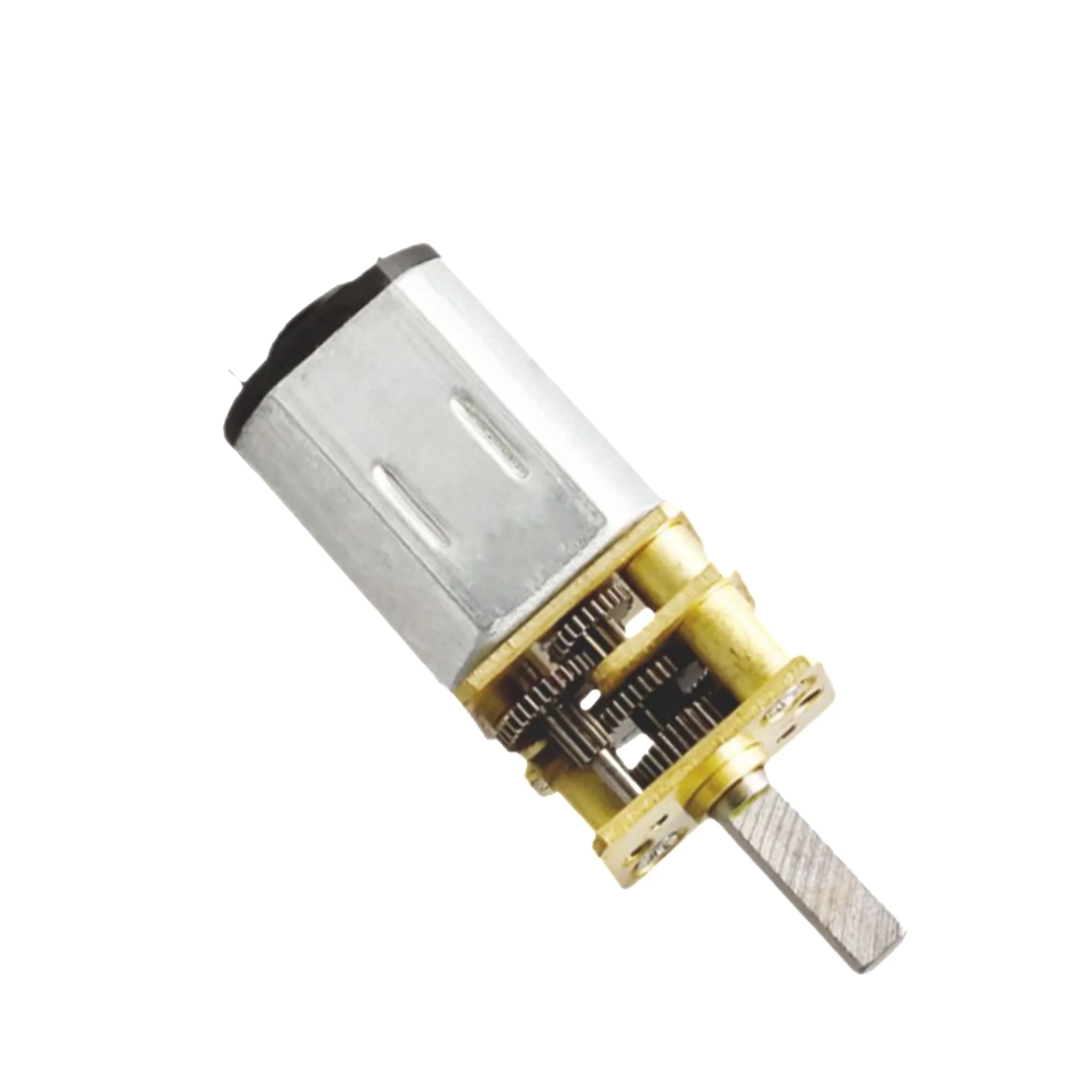
Precisely engineered micro gear motors provide outstanding command within numerous environments. These little motors apply specialized gear networks to facilitate meticulous movement with robust strength. Their remarkable thoroughness renders them optimal for fields such as robotics, medical devices, and engineering.
- Compact micro gear units include exact adjustment and calm operation.
- Multipurpose architecture extends customization to match targeted application preferences.
- Given tech progress, micro gear motors are becoming increasingly affordable.
Micro Stepper Motors in Control Systems
Compact step motors deliver sturdy and concise solutions for strict motion control among several robotics and automation contexts. These particularly efficient motors deploy magnetic fields to cause rotational movement with gradual incremental steps, rendering them appropriate for activities requiring correct positioning.
- Implementations for mini stepper motors span automation systems to consumer electronics and medical apparatus.
- Tiny forms permit integration into compact environments, while their significant torque density ensures steady performance.
- What's more, mini stepper motors demonstrate low noise operation and less fluctuation, making them fit for uses where noise suppression is vital.
Determining 12V DC Gear Motor
When electing a 12V DC gear motor for your project, there are various elements to examine. In the beginning, determine the required torque and speed. This depends on the burden that the motor will be controlling. Next, review the reduction ratio of the gear setup. A higher reduction ratio raises torque but diminishes speed.
Furthermore, factor in the motor's output and temperature endurance. Furthermore, the motor's physical measurements should fit your blueprint.
Lastly, it's key to find a reliable manufacturer and ensure that the motor meets regulatory norms.
Comprehending Brushless DC Motor Function
An electronically switched motor acts as a type of electric motor that operates with fixed magnets to whirl a shaft. Unlike traditional motors, these motors scatter the physical contact points required for power transfer. This structure delivers several gains, such as enhanced efficiency, reduced maintenance, and a smoother operation.
Performance of a brushless DC motor centers on the interaction between the shaft magnets and a series of magnetic windings. These magnetic circuits are arranged in a specific configuration to create force vectors that interact with the rotor magnets. This interaction yields rotational energy that causes the shaft to rotate.
For operating the motor's speed and direction, a control unit renders varying pulses of current to the stator coils. The order of these pulses determines the magnetic field orientation in the stator, which in turn shapes the rotor's position and rotational speed.
Elite Micro Gear Motors for Industrial Tasks
In the modern manufacturing context, quality and precision are paramount. Engineers look for revolutionary methods to boost their manufacturing and secure impressive performance. Micro-sized gear drives have grown to be a vital piece in this endeavor, presenting compact yet potent drive mechanisms for multiple applications.
Superior micro geared motors yield exceptional torque-to-size ratio, granting them to furnish robust power within a reduced footprint. These motors are fabricated with tough materials and modern designs to survive challenging operating environments and ensure trustworthy performance during extended operation.
- Pioneering gear solutions cuts down friction and wear, elevating efficiency and enhancing motor service life.
- Fine control mechanisms provide calibration of speed and torque, meeting specific industrial needs.
- Internal encoders provide accurate tracking feedback, increasing system control and accuracy.
Regarding automation and robotics to medical devices and consumer electronics, premium micro gear drives are transforming industries by delivering compact, powerful, and precise drive devices.
Compact Stepper Drivers with Applications
Incremental motors supply precise positional regulation in several cases. Miniature stepper motor driver circuits are necessary for regulating these tiny motors. These circuits usually leverage integrated processors specifically designed for driving stepper motors, supplying capabilities like current adjustment, direction flipping, and rpm control.
Deployments for miniature stepper motor driver circuits are broad, spanning fields such as robotics, manufacturing, consumer instruments, and medical apparatus. They can be found in areas like precision fine-tuning of position, component manipulation, regulated environments, and user interface elements.
Merits of 12 Volt DC Gear Motors
12V DC gear motors provide a large range of positives for many applications. Their miniature size makes them optimal for cramped spaces, while their high torque output enables them to bear heavy loads with ease. 12V DC gear motors are also known for their effectiveness, reducing energy and running mutedly. They offer detailed control, making them suitable for tasks requiring exact movements. Furthermore, these motors are strong, able to withstand severe conditions and provide stable performance over time.
Power and Efficiency Parameters of Brushless DC Engines
Brushless DC (BLDC) motors are known for their exceptional operation, consistently outperforming their brushed alternatives. This superior efficiency stems from the absence of friction-causing brushes, avoiding energy waste. Moreover, BLDC motors boast a remarkable energy density, enabling them to produce substantial power within a relatively small dimension. This alloy of peak effectiveness and power density makes BLDC motors perfect for a wide array of applications, such as electric vehicles, robotics, drones, and consumer electronics.
- Key factors influencing BLDC motor efficiency include electromagnetic setup, magnetic compounds used, control algorithm employed, and operational settings.
- Amplifying power density in BLDC motors commonly involves using strong magnetic materials, optimizing magnetic winding arrangements, and employing leading-edge assembly techniques.
Continuous progressions in BLDC motor technology continue to push the boundaries of efficiency and power density, making them an growing popular choice for extensive industries.
Comparative Study of Micro Gears, Steppers, and DC Motors
Choosing the right motor calls for understanding the exclusive traits of each type. Micro gear motors, stepper motors, and DC gear motors all exhibit various advantages and cons. Micro gear motors are famous for their miniature scale, making them advantageous for narrow spaces. Stepper motors bring precise movement, making them appropriate for applications requiring specific steps. DC gear motors furnish a blend of power and performance.
- Evaluate the torque requirements of your application.
- Analyze the required speed and positional tightness.
- Recognize the circumstances.
By fully appraising these parameters, you can choose the motor that best meets your distinct preferences.
Incorporating Brushless DC Motors into Applications
Brushless DC motors supply exceptional output and robustness, making them a popular choice for a great range of applications. Including these motors into your projects can greatly improve their overall functionality. Before starting, it's necessary to understand the core concepts of brushless DC motor operation and opt for the appropriate component for your specifications. A thorough recognition of control signals, control loops, and electronic drivers is critical for optimal integration.
- Issues to evaluate when identifying a brushless DC motor
- Unit specifications and parameters
- Adjustment signals and communication protocols
- Feedback systems for accurate position, speed, and drive power control