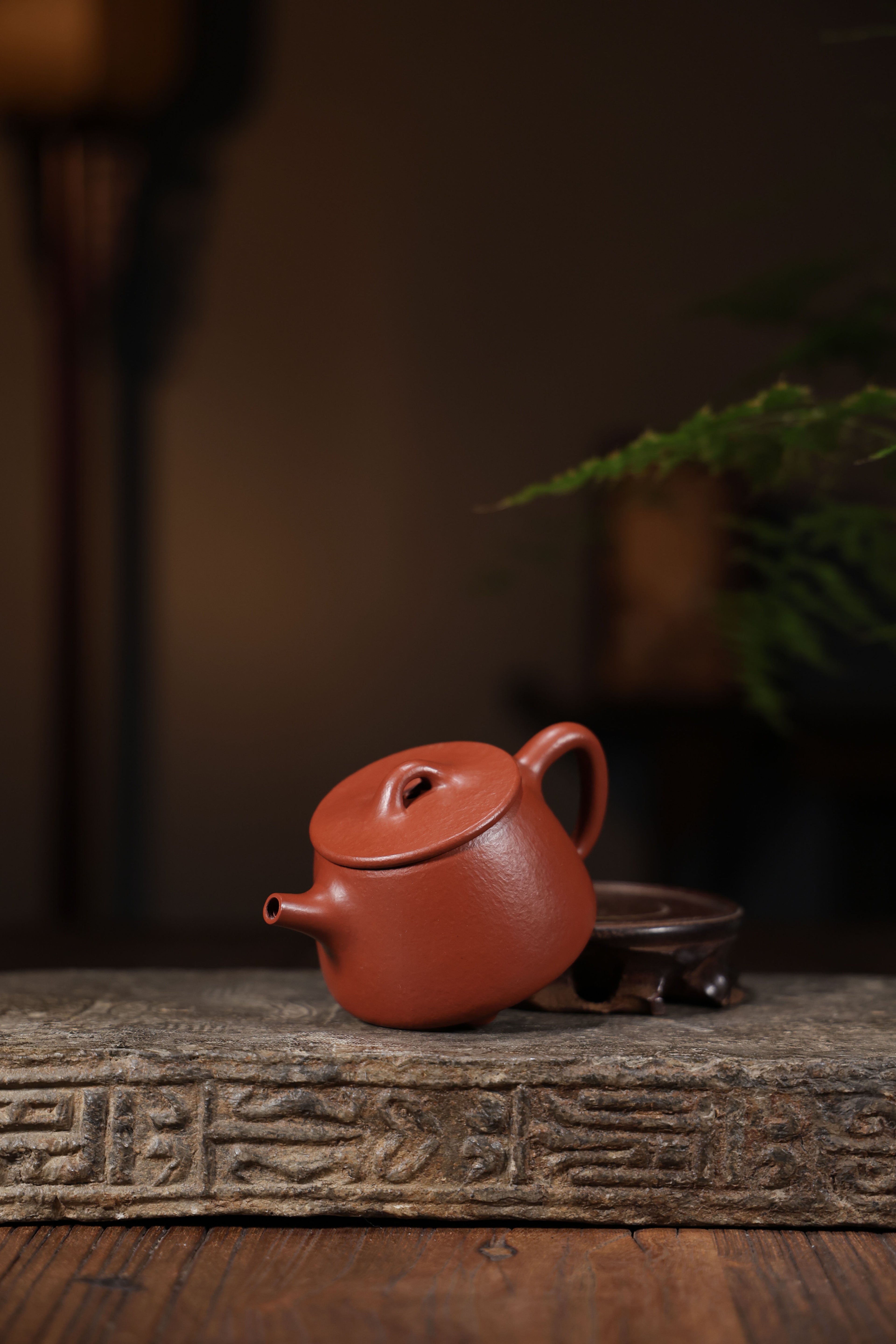
How can a custom-engraved Yixing Zisha Teapot enhance brand storytelling?
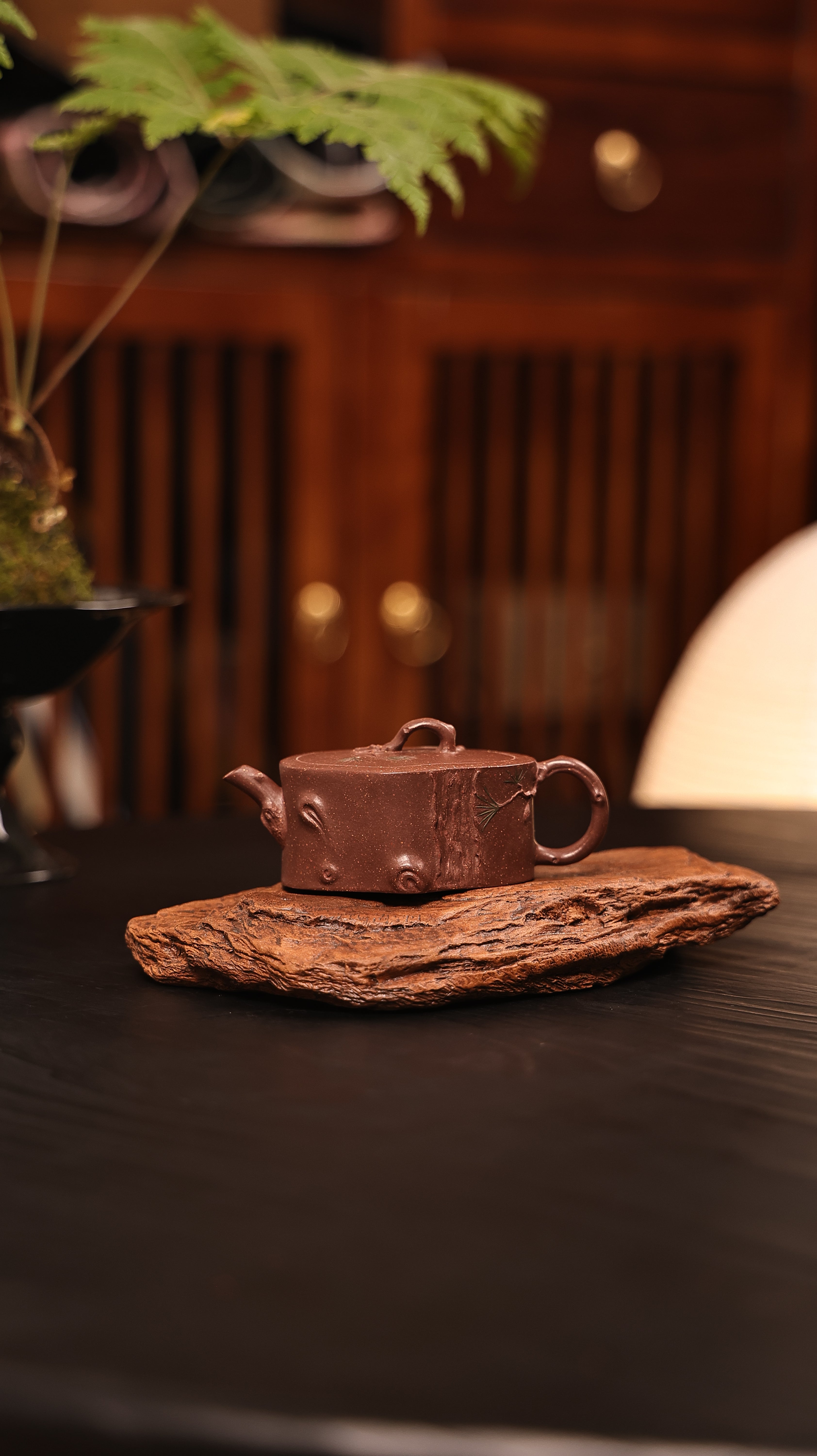
Across the expanse of historic epochs,
Over periods, collectors have been enchanted by the one-of-a-kind charm of Yixing Zisha pots. Originating from the zone of Yixing in the Jiangsu Province, these artifacts are renowned for their notable beauty, unusual clay, and essential ability to boost the essence of the liquor. The substrate's distinctive mahogany hue, combined with the masterful fabrication of native craftsmen, creates items that are and functional artwork and precious investments. Acquiring a Zisha teapot is more than just such a purchase; it's inviting a rich ancestral heritage.
Grasping Yixing Teapots: Chronicles, Classifications, and Importance
This Yixing teapots are a notable chronicle deeply intertwined with Chinese culture. Deriving in the Yixing region of Jiangsu province, these clay vessels hold a heritage extending back to the Ming Dynasty. Early examples were functional, but throughout centuries, Yixing teapot creation evolved into an esteemed art form. The clay itself, known for its unique structure and ability to enhance the flavor of the tea, is a defining factor. Yixing teapots surface in various types, broadly categorized by shape: Conventional such as Zhuni (purple clay) and Bisheng, as well as more designs. The significance of a Yixing teapot varies on several factors, including the potter’s fame, the age of the piece, the rarity of the clay, and its aesthetic elegance.- Chronology: Founding era
- Clay: Assorted selections
- Assessment Factors: Historical period
Zisha Pot Creation: Process and Craftsmen
Unique crafting of a bona fide Zisha teapot is a challenging process, requiring years of competency. Accomplished artisans meticulously gather the top-grade Zisha clay, a unique earth found only in specific regions of China. Conventional techniques, often inherited through families, involve detailed shaping, nuanced carving, and unhurried firing in ancient ovens. The end teapot isn't merely a pot; it's a testament to expressive vision and the significant connection between the fabricator and their legacy. Each creation showcases the personal touch of the designer, resulting in a truly one-of-a-kind work of creation.
Chinese Vessels: Understanding the Vast Institutions of Yixing City
Historic Yixing, located in Jiangsu the district, is internationally renowned for its exceptional cookware – a tangible representation of centuries of Chinese craft. These aren't merely vessels for making tea; they are intricate works of creativity, often reflecting cultural ideals. This unique purple clay, known as Zisha, possesses singular qualities: this material dense, absorbent, and imparts a Chinese Teapot subtle nuance to the tea.
- Many lineages have honed the techniques of Yixing urn making, passing down exclusive methods through families.
- Devotees prize these pieces for their grace and rarity.
- Some object tells a chronicle, connecting the drinker to a rich legacy.
Committing to Yixing Zisha: Critical Aspects
Considering considering acquiring Yixing Zisha pots, numerous parameters command careful assessment. Firstly, the earth's tone is vital; authentic Zisha ordinarily exhibits a evident maroonish depth. Also, consider the production; detailed attributes and a clean veneer indicate skillful construction. Concluding, research the artist’s reputation; renowned names command augmented figures and often supply a reliable profit.
Mastering Tea Brewing Using a Zisha Pot
Preparing delicious tea with a Zisha carafe is more over a simple practice; it's an science. Zisha clay, famous for its unique geological composition, imparts a delicate character to the finished tea that’s often deficient with other utensils. The ideal water warmth is essential; typically, moderated than what's used for black tea, to sustain the tea's bouquet and character. Consider thoroughly the tea form; delicate green teas or aged pu-erhs improve from the Zisha’s ability to ease their intrinsic edge. It’s important to condition the teapot stringent to brewing, and to stop over-steeping. Mastering this technique leads to a rightfully exceptional tea event.
- Grasping Zisha Clay
- Water Temperature & Type of Brew
- Role of Pre-treatment
Preserving Your Yixing Earthenware
So as to ensure the continuity of your beautiful Yixing jar, routine upkeep is decisively crucial. Never using chemical cleaners; instead, delicately bathe it with tepid hydrous medium. Shun sudden fluctuations; don't position the teapot directly onto a burning area. Periodically, enrich the clay pot by percolating it with fine matured brew, as this facilitates to develop its essence and protects the singular essentials of the earth.
Dealing with Soil to Drinkware: The Path of a Renowned Ceramic
This creation of a Zisha teapot is a impressive process, a expression to both the ecosystem’s bounty and the artistry of the fabricator. It begins with the precise extraction of the exceptional clay from the purple Zisha mines adjacent to Yixing. This pure material, known for its exceptional features, is then methodically clarified and ready for the preliminary forming. The urn’s form is adeptly built using a concoction of historical forming methods, often incorporating detailed ornaments. Following aging, the vessel undergoes a essential first firing, accompanied by a varnishing stage, which might involve countless layers of pure Zisha slips. Finally, a second, and sometimes third, firing at extreme temperatures finalizes the object, revealing its definitive beauty and magnificent characteristics - a honest masterpiece, ready to enhance a tea gathering.
{Yixing Teapots: A Token of the Custom and Tribute
Famed Yixing teapots, originating from the acclaimed Yixing region of Jiangsu province, are far more than mere jars for brewing infusions; they represent a profound aspect of Chinese culture. Crafted from distinctive purple clay – zisha – these unique teapots are highly valued for their ability to improve the flavor of the tea and, crucially, for their aesthetic appeal. The legacy of Yixing teapot making spans centuries, and the craft involved is passed down through generations, making each teapot a work of art that embodies ancient techniques and a profound appreciation for the simple pleasures in life.