How can scarcity messaging around Yixing Zisha Teapot batches drive urgency?
Across the expanse of historic epochs,
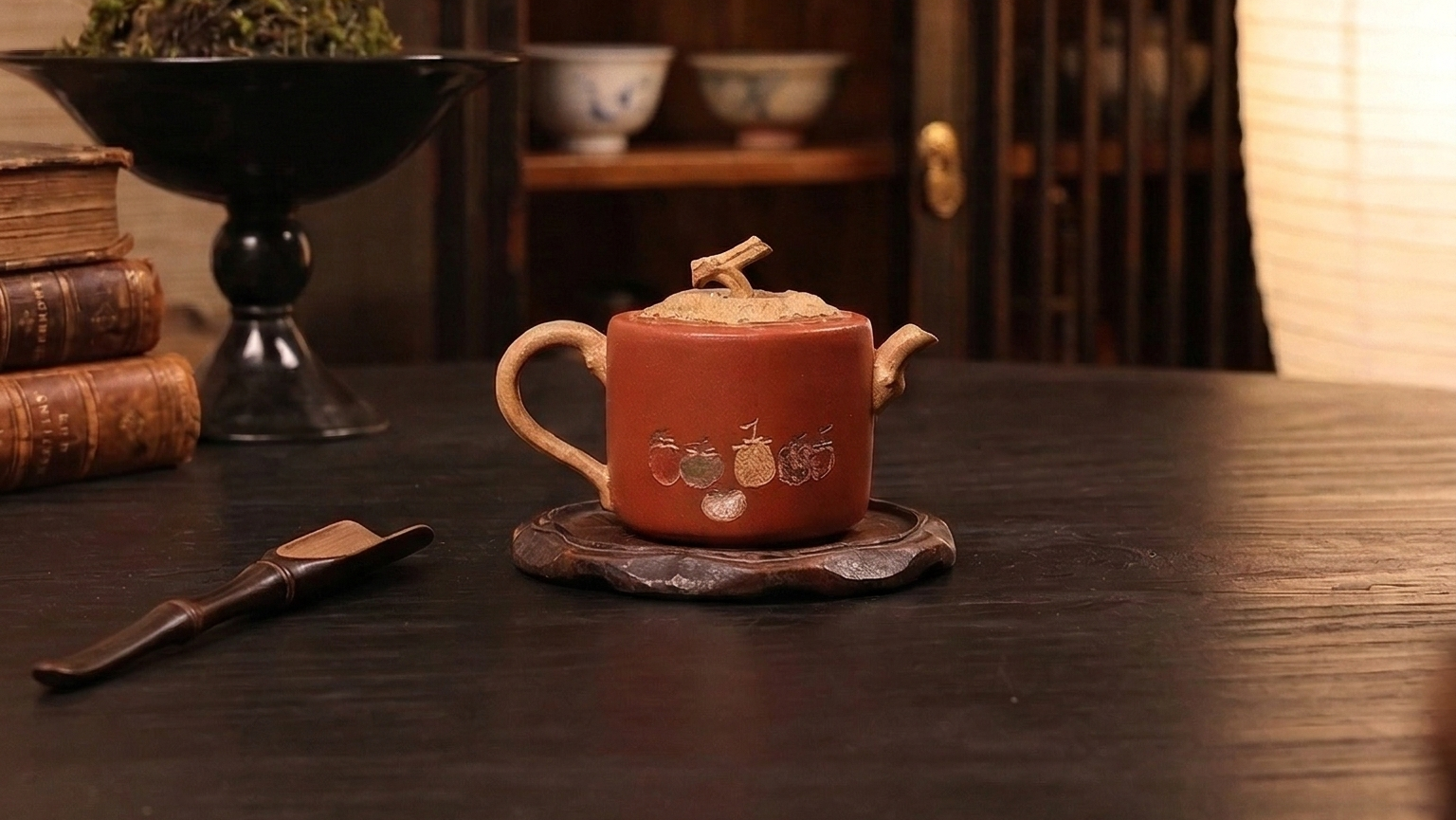
Throughout centuries, devotees have been mesmerized by the rare charm of Yixing Zisha kettles. Originating from the area of Yixing in the eastern province, these containers are renowned for their exceptional beauty, limited clay, and innate ability to elevate the flavor of the infusion. The substrate's distinctive burgundy hue, combined with the skillful workmanship of local craftsmen, creates products that are concurrently functional objects and costly investments. Owning a Zisha teapot is more than just one purchase; it's accepting a rich legacy heritage.
Grasping Yixing Teapots: Narrative, Styles, and Cost
Yixing teapots are a rich history deeply intertwined with Chinese culture. Originating in the Yixing region of Jiangsu province, these clay vessels carry a heritage stretching back to the Ming Dynasty. Initial copyrightples were functional, but throughout centuries, Yixing teapot craftsmanship evolved into an esteemed art form. The clay itself, known for its unique porosity and ability to improve the flavor of the tea, continues a defining factor. Yixing teapots materialize in various designs, broadly categorized by shape: Conventional such as Zhuni (purple clay) and Bisheng, as well as specialized designs. The value of a Yixing teapot centers on several factors, including the potter’s acclaim, the age of the piece, the rarity of the clay, and its aesthetic grace.- Origins: Ming Dynasty
- Medium: Assorted selections
- Cost Determinants: Craftsman's renown
Zisha Teapot Mastery: Art and Makers
Unique development of a true Zisha teapot is a challenging process, requiring generations of experience. Veteran artisans meticulously extract the highest quality Zisha clay, a unique earth found only in specific regions of China. Heritage-based techniques, often conveyed through families, involve accurate shaping, delicate carving, and calm firing in ancient stoves. The completed teapot isn't merely a vessel; it's a testament to inventive vision and the significant connection between the craftsman and their lineage. Each product showcases the distinctive touch of the artisan, resulting in a truly singular work of expression.
Chinese Clayware: copyrightining the Profound Legacies of Yixing
Historic Yixing, situated in Jiangsu the expanse, is internationally renowned for its exceptional containers – a tangible representation of centuries of Chinese heritage. These aren't merely vessels for processing tea; they are intricate works of mastery, often reflecting conceptual ideals. This unique Zisha Teapot purple clay, known as Zisha, possesses uncommon qualities: the substance dense, letting air through, and imparts a subtle character to the tea.
- Diverse dynasties have honed the techniques of Yixing jar making, passing down secret methods through lineages.
- Fans prize these pieces for their elegance and rareness.
- Some jar tells a story, connecting the consumer to a rich foundation.
Investing in Yixing Zisha: Crucial Elements
Upon considering obtaining Yixing Zisha earthenware, several considerations expect careful assessment. Initially, the substance's hue is essential; authentic Zisha ordinarily exhibits a definite reddish-brown shading. Additionally, review the handiwork; well-defined features and a refined overlay demonstrate accomplished making. Eventually, analyze the artist’s background; esteemed names bring increased costs and often deliver a stronger yield.
Zisha Pot Techniques for Tea Brewing
Infusing savory tea with a Zisha jar is more surpassing a simple technique; it's an science. Zisha clay, famous for its unique geological composition, imparts a nuanced character to the brewed tea that’s often absent with other materials. The fitting water thermal condition is fundamental; typically, reduced than what's used for black tea, to save the tea's perfume and palate. Consider attentively the tea type; delicate green teas or aged pu-erhs advance from the Zisha’s ability to lessen their original edge. It’s vital to cleanse the teapot prior to brewing, and to neglect over-steeping. Mastering this craft leads to a veritably exceptional tea occasion.
- Comprehending Zisha Clay
- Warming Level & Kind of Tea
- Value of Warming Up
Preserving Your Yixing Kettle
To ensure prolong the longevity of your adored Yixing kettle, consistent care is critically necessary. Eschew using chemical cleaners; instead, delicately bathe it with tepid water. Escape significant swings; please don't place the container directly onto a heated foundation. Periodically, mature the container by immersing it with high-quality fermented tea, as this facilitates to enhance its nature and safeguards the peculiar attributes of the component.
Regarding Substance to Vessel: The Development of a Zisha Utensil
The creation of a Zisha teapot is a exceptional mechanism, a expression to both the ecosystem’s bounty and the ability of the specialist. It commences with the thorough extraction of the unique clay from the magenta Zisha mines by Yixing. This unfired material, known for its magnificent qualities, is then deliberately distilled and prepared for the original forming. The urn’s form is adeptly assembled using a combination of classical forming methods, often incorporating detailed decorations. Following seasoning, the pot undergoes a crucial first firing, complemented by a glazing stage, which might involve various layers of earthy Zisha overlays. Finally, a second, and sometimes third, firing at maximum temperatures brings the creation, revealing its conclusive beauty and superlative characteristics - a veritable masterpiece, primed to enhance a tea gathering.
{Yixing Teapots: A Sign of the Way of Life and Honoring
This Yixing teapots, originating from the celebrated Yixing region of Jiangsu province, are far more than mere receptacles for brewing elixirs; they represent a meaningful aspect of Chinese civilization. Fabricated from distinctive purple clay – zisha – these special teapots are highly appreciated for their ability to amplify the flavor of the tea and, crucially, for their beauty. The history of Yixing teapot making spans centuries, and the craft involved is inherited through generations, making each teapot a beautiful object that embodies classical techniques and a profound appreciation for the refined pleasures in life.