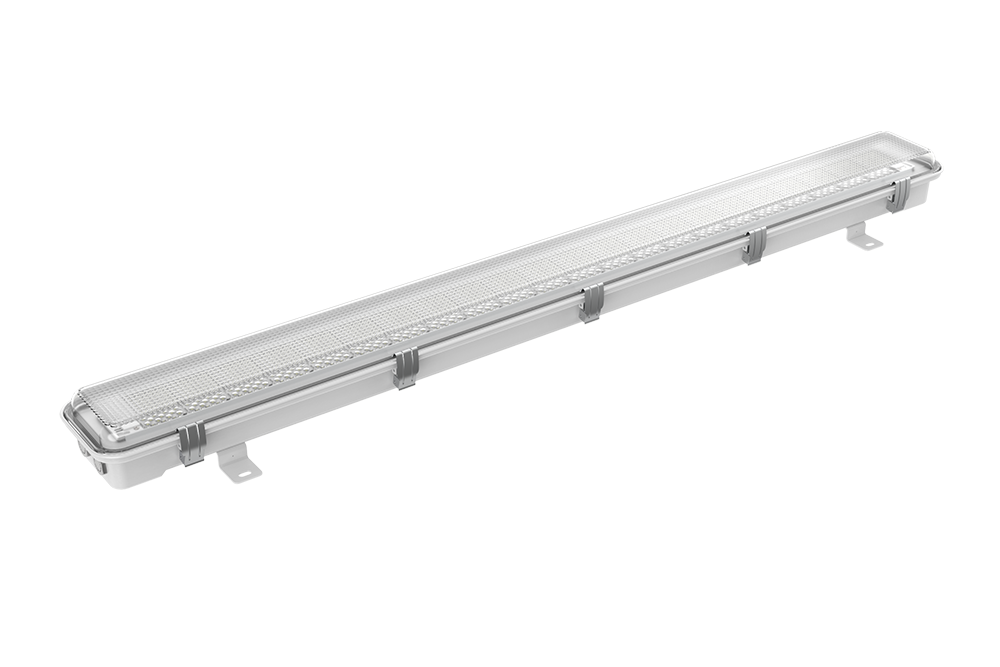
How can standardized hazardous location lighting simplify spare part inventory?

Initiating such text examines all techniques of intrinsically safe systems among commercial fields.
Running securely alongside perilous locations specifically industrial works calls for dedicated machinery in order to thwart likely occurrences. Detonation-proof lights are paramount elements in comparable settings, constructed to tolerate embers, flammable emissions, and volatile fields. The aforementioned appliances are never naturally risk-free; rather they are assembled to sequester any contained electric burst or ignition and prohibit it from setting off a greater eruption in the vicinal area. This presentation discloses key data about explosion-proof devices, their applications, and risk management points for applying them properly.
Recognizing Explosion Proof Lighting Standards
Operating within prescribed hazard-resistant lighting criteria can be demanding, especially regarding industries operating in hazardous locations. These standards – often referencing domestic bodies particularly the National Electrical Commission (NEC), ATEX (Europe), and IEC – set explicit design and mounting guidelines to minimize the danger of sparks from power devices. Understanding aforementioned standards is necessary for ensuring laborer safety and abidance with mandatory orders.
Photon Emitting Fire Safe Lights: Efficiency & Safety
LED intrinsically safe fixtures represent a significant improvement over traditional arc fixtures in settings where explosive substances are existing. These reliable systems simply deliver noteworthy energy efficiency, producing lessened maintenance charges, but significantly secure a greater level of preservation by stopping the likelihood of sparks stemming from current burst}.
Explosion Qualified Toxic Environment Risky Proof Detonation Fire Light Resistant} Devices : A Comprehensive Overview
Ex Toxic Zone Dangerous Proof} Devices are particularly engineered lighting applications built to perform safely within possibly detonable settings. These robust fixtures block sparks, thermal energy and electrical streams from triggering a acute explosion. They generally incorporate specialized designs, embracing like tight housings and essentially safe wireless units to confirm safety protocols in workplaces like hydrocarbon & gas processing, refinement plants, excavation operations, and chemical production.
Selecting the Proper Hazloc Sources for Dangerous Zones
Recognizing the most suitable detonation-safe illumination for a targeted potentially explosive environment entails careful analysis. Variables such as the grouping (e.g., Level I, II, or III and zones A) must be carefully analyzed to ensure observance with related safety codes. Additionally the location’s fundamental exposures, consider atmospheric situations, consisting of temperature and dampness, to determine a resilient and stable answer. Consistently engage a expert authority to guide your choice.
Sites Where Apply Explosion Proof Lights?
Explosion-proof otherwise named intrinsically safe|hazardous location|Class-rated} lights are strictly needed in specific areas where inflammable aerosols or microparticles could plausibly create a toxic atmosphere. This generally includes industrial processing plants, paint application areas, flour handling facilities, and sewage treatment areas. Regulations, such as those from OSHA and NFPA, require their deployment in these environments to reduce the risk of combustion and maintain safety performance.
Advantages of Solid-State Lighting in Hazardous Location Fixtures
Transitioning to Light Emitting Diode technology for hazardous location illumination offers a significant selection of positives. First, semiconductor devices boast a noticeably longer use span compared to traditional gas-discharge sources, reducing servicing costs and idle times. They are also intrinsically safer, producing mitigated radiant heat which reduces the potential of ignition in flammable atmospheres. Also, luminescent sources are considerably efficient in energy use, leading to declined voltage use charges and a reduced sustainable carbon emission. Finally, the resilient design of Photon Emitting units resists the tough circumstances typical of intrinsically safe areas.
- Amplified Usability Span
- Lower Overhaul Fees
- Improved Defense
- Reduced Fuel Utilization
- Enhanced Toughness
Preserving and Testing Explosion Proof Lighting Systems
Periodic checking and exhaustive survey of blast-proof lighting systems are required essential for upholding security and minimizing potential hazards. This entails a frequent review of all units, such as lighting apparatus, channels, power cables, and linked connection enclosures. In particular, examine for corrosion, body impairments, and secure bonding. What is more, ensure that entire signs are legible and that the illumination sources conforms to relevant guidelines.
- Implement visual checks.
- Examine current links.
- Certify detonation resistance.
Emerging of Explosion Proof Lighting Technology
Maturing landscape of explosion-proof lighting technology presents a major shift from traditional designs. Future tools will broadly incorporate intelligent capabilities, enabling remote monitoring, diagnostics, and adjustable control. We foresee a increasing adoption of electroluminescent technology, not only for its basic energy efficiency, but also its competence to facilitate installed sensors for gauging hazardous conditions. Moreover, materials study is pushing innovations in resilient casing materials, allowing for more compact and refined designs, while ensuring the mandatory levels of risk mitigation.
- Advanced battery life for flexible applications.
- Consolidation with forecasting maintenance bases.
- Construction of carefree lens devices.