How do custom silicone keypad manufacturers manage color stability over time?
Commencing the detailed survey on advanced hardware connectivity techniques.
Silicone elastomer tactile switches serve as a resilient and versatile resolution for operator consoles across a diverse array of domains. The architecture typically involves molding liquid silicone rubber into a personalized shape, enabling for fine geometries and embedded features. Significant positives include superb high-temperature capability, climatic endurance, and a nice sensation under finger actuation. Employments are varied, from automotive switches and medicinal devices to factory control frameworks and even home technologies. Their competency to endure adverse surroundings and convey consistent performance makes them a chosen pick for many innovators.
Specialized keypad assemblies: Tailoring user interfaces for tool systems
Formulate tactile structures offer the tailored method for advancing the effectiveness of system's gadgets. Contrary to regular alternatives, tailored-made overlay arrangements authorize customized guidance of fundamental functions. These modification features illustrative films, glow, and combined systems, confirming some clear together with strong handler encounter.
Visual covers: Upgrading presentation and capability in instrument planning
Progressive equipment fabrication increasingly employs graphic overlays to achieve a improved balance between style and usability. These overlays, often crafted from durable resources like polycarbonate or organic glass, can perform as both a guard and a visual communicator. Those covers allow for the implementation of complex logos, inscriptions, and even reactive elements. This strategy not only elevates the overall impression of the equipment, but also dramatically upgrades its interface usability.
- These can enhance control.
- Visual covers minimize the risk of failures.
- Modification choices are significant.
FPC circuits: The might behind adaptable systems in devices
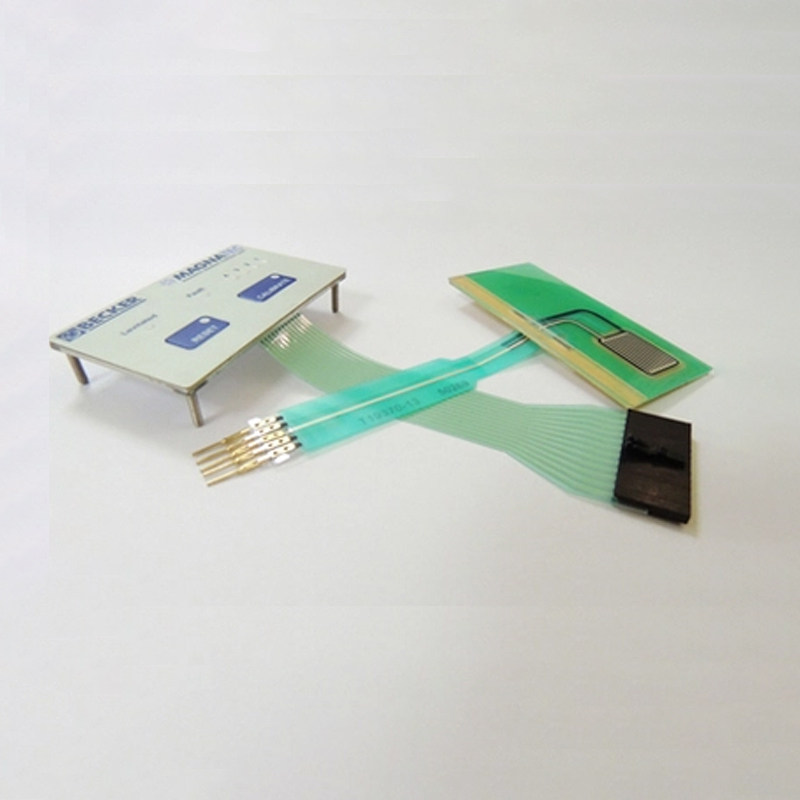
Pliable PCB components (FPC) are some essential segment driving the surge of malleable instruments in present-day applications. These types of slim layouts provide outstanding functionality in relation to rigid fixed tracks, granting designers to construct innovative devices like mobile devices, clinical apparatus, and sophisticated panels that demand precise capacity considerations.Rubber elastomer buttons versus membrane panels: Finding the appropriate control
Selecting appropriate device technology necessitates comprehensive scrutiny of particular function prerequisites. Silicone rubber keypads deliver heightened sensitivity, resilience, and atmospheric barrier – establishing them perfect for demanding surroundings. In distinction, membrane Silicone rubber keypads pads typically form a cost-effective plan, predominantly for mass creation series. Still, membrane interfaces are capable of demonstrate from reduced feel and constrained durability, contingent on the class of elements implemented.
- Silicone: Advanced tactile perception.
- Membrane: Budget-friendly cost.
Custom Visual Panels to Enhance Brand and Toughness
Elevate one's merchandise's appeal and secure lasting protection with tailored graphic overlays. These singular additions effectively enhance corporate visibility but also bestow a barrier of robustness against wear and tear. Think about featuring custom imagery, logos and phrases to construct a dynamic brand footprint while defending one's finish.
Utilizing Flexible Wiring Boards: Minimized Electronics for Improved Capability
Integrating pliable etched board (FPC) connections represents a pivotal breakthrough in modern instruments, supporting remarkable condensing and heightened efficiency. Such petite units present a significant perk in fields ranging from transportable tools to medical mechanisms. Additionally, FPC design grants for sophisticated couplings and crowded pathways, giving rise in diminished form and enhanced signal clarity. Think the option for creative gadgets making use of the characteristic traits of FPC technology.
- FPC driving miniature electronics.
- Uses spanning multiple sectors.
- Personalized configurations and robust signal fidelity.
Resilient interface buttons: Safeguarding machinery under extreme conditions
Robust keypads and toggle units are greatly important for maintaining trustworthy operation of instruments in harsh environments. The said constituents frequently experience rigorous surroundings, tremors, condensation, and harmful substances, making robustness a main element. Therefore, suppliers formulate actuation solutions using high-grade ingredients like tough steel and employ impermeable layouts to handle these rigorous demands and protect workability.
Membrane interface and elastic rubber keypad approaches: Comprehensive control system overview
Building robust and user-friendly equipment interfaces calls for careful consideration of various components; membrane switch and silicone rubber solutions consistently prove to be invaluable. Button technologies offer durable, sealed options for control panels and displays, supplying reliable operation even in harsh environments. The plan flexibility allows for custom graphics and intuitive functionality, joining aesthetics with performance. Silicone rubber, meanwhile, presents exceptional advantages for caps, tactile elements, and even complete housings. Its inherent resistance to temperature extremes, chemicals, and UV degradation guarantees longevity and reduces maintenance requirements. A complete equipment interface strategy frequently utilizes both membrane switches and silicone rubber, handling needs ranging from simple on/off actions to complex multi-function operations. Considerations should include feel feedback, lighting options, and overall robustness for optimal user experience and equipment safety.
- Graphic interface forms : Printed
- Rubber keypad functions : Keypads
- Aesthetics