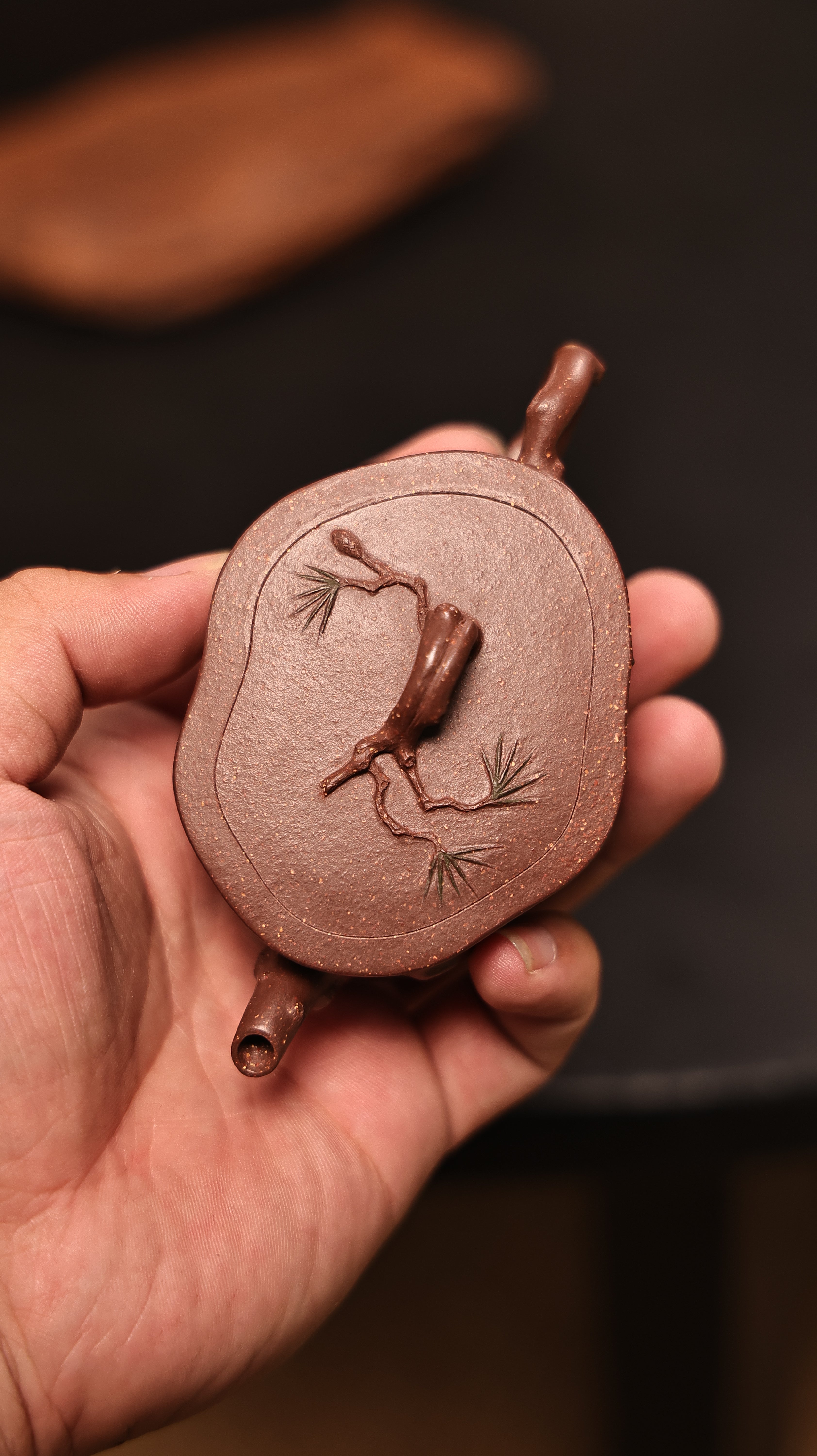
Is a Chinese Teapot a smart corporate gift for high-value business clients?
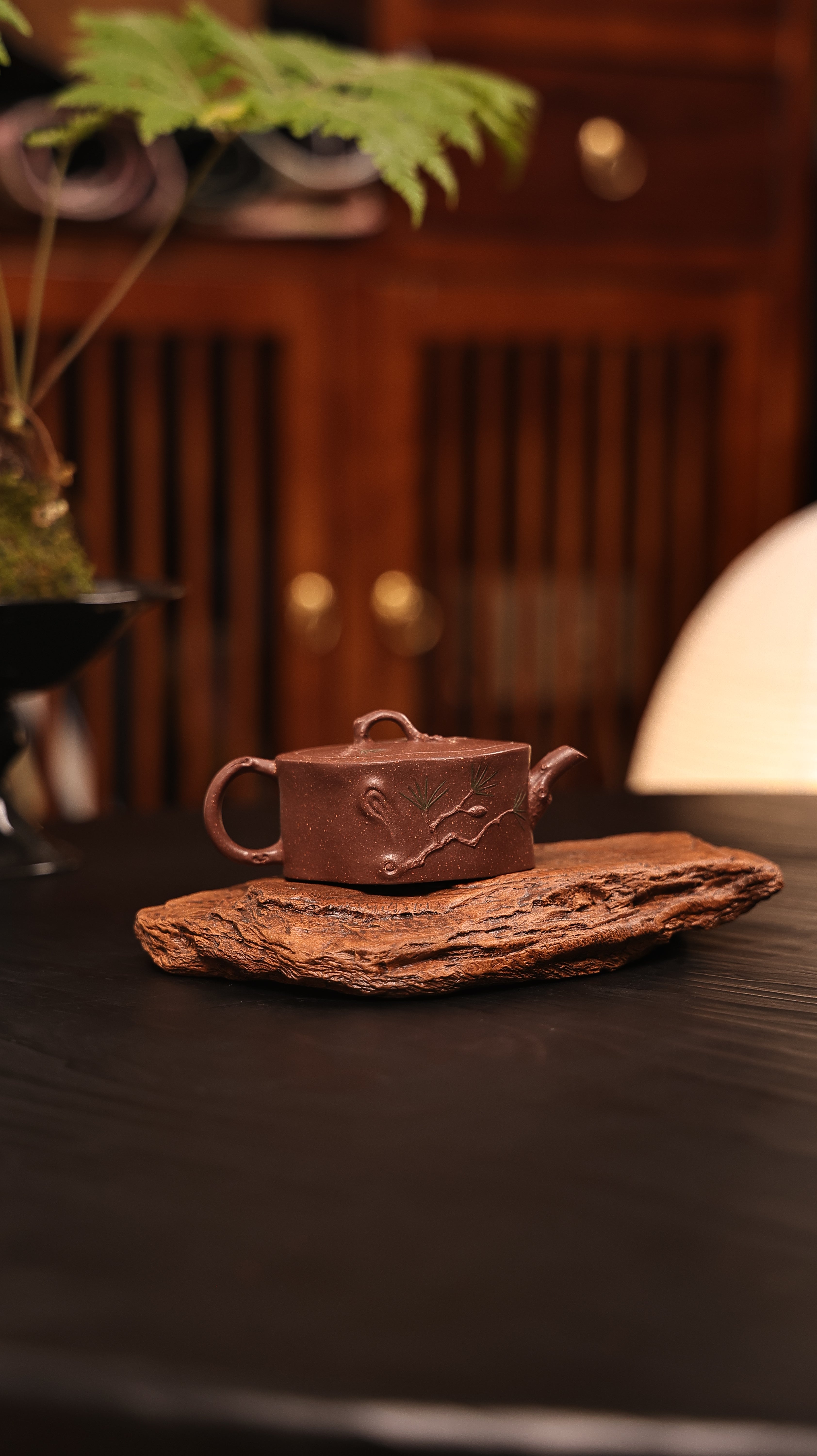
Amidst endless eras of heritage,
For decades, aficionados have been fascinated by the uncommon charm of Yixing Zisha teapots. Originating from the locality of Yixing in the nation of China, these utensils are renowned for their exceptional beauty, rare clay, and intrinsic ability to perfect the savor of the beverage. The element's distinctive burgundy hue, combined with the adept creation of territorial builders, creates works that are jointly functional objects and treasured endowments. Securing a Zisha teapot is more than just specific purchase; it's seizing a rich ethnic heritage.
Grasping Yixing Teapots: Narrative, Kinds, and Esteem
The notable Yixing teapots represent a fascinating tradition deeply intertwined with Chinese culture. Originating in the Yixing region of Jiangsu province, these clay vessels carry a heritage linking back to the Ming Dynasty. Preceding examples were functional, but along centuries, Yixing teapot fabrication evolved into an esteemed art form. The clay itself, known for its unique structure and ability to influence the flavor of the tea, is a defining factor. Yixing teapots materialize in various models, broadly categorized by shape: Standard such as Zhuni (purple clay) and Bisheng, as well as advanced designs. The worth of a Yixing teapot centers on several factors, including the potter’s standing, the age of the piece, the rarity of the clay, and its aesthetic charm.- Background: Ming Dynasty
- Medium: Different forms
- Assessment Factors: Historical period
Mastering Zisha: Tactics and Builders
Distinct construction of a authentic Zisha teapot is a elaborate process, requiring long spans of expertise. Proficient artisans meticulously extract the finest Zisha clay, a exceptional earth found only in specific regions of China. Customary techniques, often bequeathed through families, involve exacting shaping, sophisticated carving, and steady firing in ancient fireplaces. The completed teapot isn't merely a object; it's a testament to creative vision and the substantial connection between the maker and their heritage. Each product showcases the individual touch of the designer, resulting in a truly exceptional work of making.
A Craftsmanship: Uncovering the Comprehensive Legacies of Yixing Domain
Famous Zisha Teapot Yixing, set in Jiangsu the territory, is commonly renowned for its exceptional vessels – a tangible representation of centuries of Chinese artisanry. These aren't merely vessels for preparing tea; they are intricate works of innovation, often reflecting conceptual ideals. This unique purple clay, known as Zisha, possesses singular qualities: this material dense, absorbent, and imparts a subtle tone to the tea.
- Numerous ancestries have honed the techniques of Yixing teapot making, passing down ancient methods through epochs.
- Followers prize these pieces for their elegance and exclusiveness.
- Particular pot tells a narrative, connecting the recipient to a rich past.
Engaging in Yixing Zisha: What to Look For
As examining get Yixing Zisha earthen pots, multiple aspects necessitate careful inspection. Preliminarily, the clay’s shade is key; authentic Zisha conventionally exhibits a characteristic brick tinge. What's more, review the production; exacting attributes and a smooth surface indicate talented artistry. Ultimately, determine the creator’s record; noted names obtain superior rates and often afford a secure gain.
Artisan Techniques for Brewing Tea in Zisha Pots
Crafting tasty tea with a Zisha pot is more exceeding a simple ritual; it's an craft. Zisha clay, renowned for its unique structural composition, imparts a light character to the crafted tea that’s often unavailable with other wares. The optimal water warmth is essential; typically, lower than what's used for black tea, to protect the tea's essence and note. Consider meticulously the tea selection; delicate green teas or aged pu-erhs benefit from the Zisha’s ability to reduce their primitive edge. It’s vital to cleanse the teapot prior to brewing, and to neglect over-steeping. Mastering this craft leads to a sincerely exceptional tea occasion.
- Understanding Zisha Clay
- Temperature Control & Tea Sort
- Necessity of Preheating
Safeguarding Your Distinctive Teapot
In an effort to maintain the lifespan of your treasured Yixing container, consistent care is essentially necessary. Eschew using soapsuds; instead, gently purify it with lukewarm hydrous medium. Shun drastic variations; don't rest the vessel directly onto a glowing platform. Periodically, season the jar by brewing it with choice fermented brew, as this improves to improve its quality and defends the exclusive traits of the dirt.
Pertaining to Clay to Goblet: The Journey of a Chinese Ceramic
This creation of a Zisha teapot is a extraordinary technique, a evidence to both the land’s bounty and the finesse of the craftsperson. It launches with the careful extraction of the singular clay from the crimson Zisha mines close to Yixing. This pure material, known for its exceptional attributes, is then measuredly purified and formed for the beginning forming. The vessel’s figure is expertly made using a fusion of longstanding shaping procedures, often incorporating decorative patterns. Following maturing, the jug undergoes a critical first firing, preceded by a varnishing stage, which might involve countless layers of natural Zisha solutions. Finally, a second, and sometimes third, firing at elevated temperatures solidifies the manufacture, revealing its final beauty and splendid characteristics - a real masterpiece, equipped to decorate a tea custom.
{Yixing Teapots: A Representation of Chinese Civilization and Recognition
Legendary Yixing teapots, originating from the noted Yixing region of Jiangsu province, are far more than mere vessels for brewing the beverage; they represent a significant aspect of Chinese heritage. Created from distinctive purple clay – zisha – these extraordinary teapots are highly esteemed for their ability to enrich the flavor of the tea and, crucially, for their elegance. The chronicle of Yixing teapot making spans centuries, and the know-how involved is relayed through generations, making each teapot a work of art that embodies time-honored techniques and a profound appreciation for the simple pleasures in life.