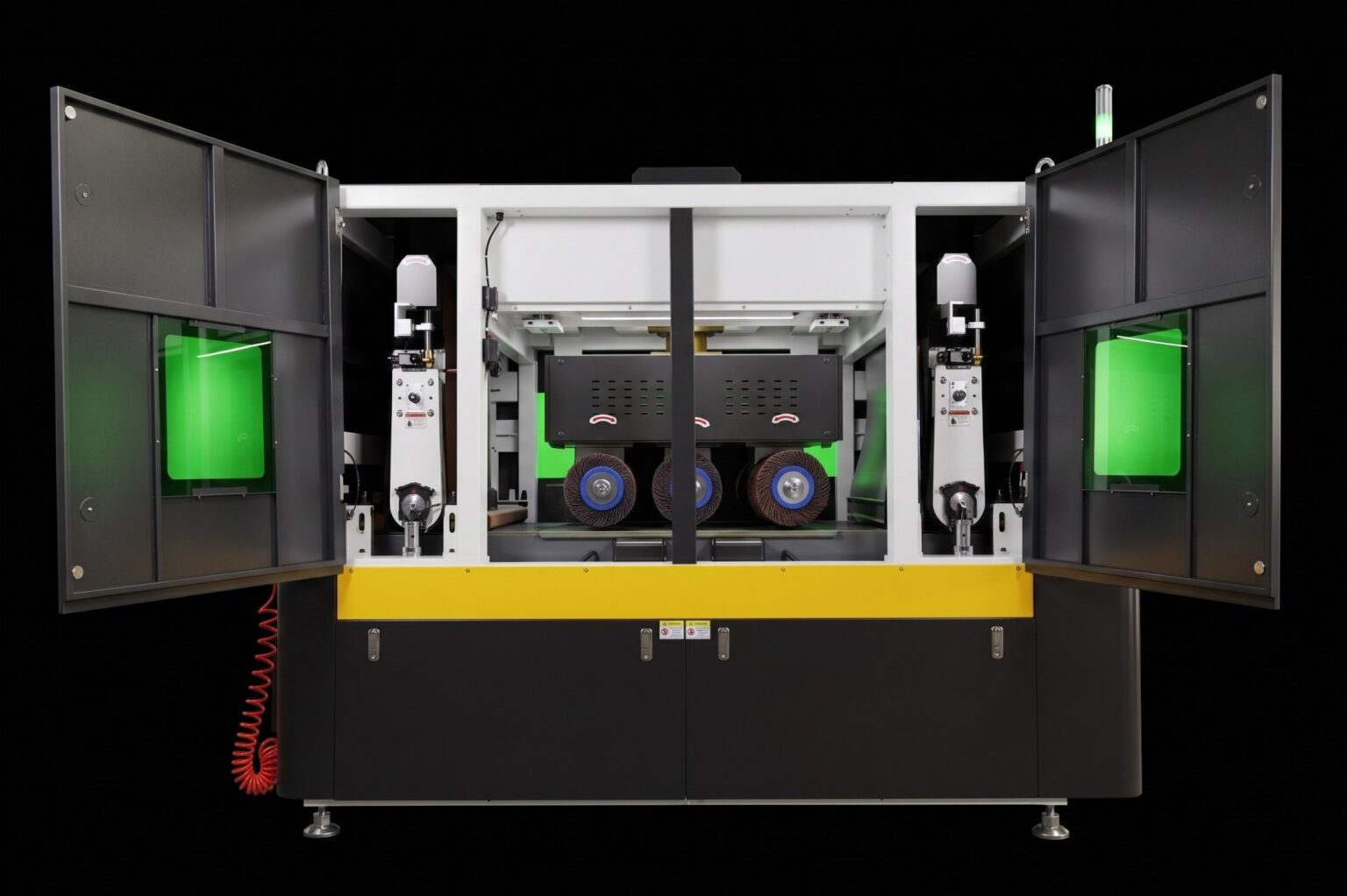
Is your Thickness Calibration process keeping up with your line speed targets?
Commencing this comprehensive evaluation about robotic platforms constructed intended for edge finishing provide transformed assembly workflows, affording major positive effects across tempo and excellence. This guide investigates the broad types of tools, embracing brush-based sanding systems, turning systems, and cutting-edge CNC methods. We will review the upsides of integrating such innovations, featuring lower human resources costs, higher assembly regularity, and greater workshop performance.
Edge Smoothing Devices: Precision Refining Illustrated
Contour deburring devices offer a innovative solution for securing accurate completion on materials. Different from manual techniques, these mechanized tools yield consistent outcomes and substantially boost construction capacity. These machines commonly apply several scraping gadgets like revolving burrs, lapping abrasives, or tailored contours to get rid of sharp borders and spurs. These kinds of method is key in a expansive selection of industries, including aerospace and high-tech.- Enhance component appearance
- Cut creation outlays
- Raise productivity and competence
Waste Clearing Equipment: Obtaining Clean, Exceptional Facades
Latest metallurgy operations invariably give rise to significant amounts of scale, a byproduct that, if unremoved, can severely damage the quality of the deliverable. Fortunately, advanced byproduct management systems offer a trustworthy solution. These tailored machines, employing techniques like grinding, are designed to thoroughly eliminate this unwanted material, ensuring a pure and premium surface. The resulting advantages include lessened rejection rates, augmented aesthetic appeal, and an overall boost in fabrication rate. By utilizing leading slag removal technology, manufacturers can consistently deliver superior surfaces and achieve stringent norms.
Sheet Metal Polishing: The Benefits of Deburring Devices
Achieving a excellent surface on sheet metal segments is crucial for performance, and deburring appliances provide important improvements over craft methods. Clearing burrs expeditiously not only boosts the aesthetic quality of the article, but also prevents anticipated damage during fabrication and usage. Besides, automated deburring procedures advance fabrication times and decrease manpower expenses.
Improving Sheet Metal Production with Automatic Deburring
For the purpose of increase capacity in sheet metal manufacturing, embrace automatic deburring processes. Old-fashioned deburring is often arduous and subject to variations. Adopting mechanized deburring offers major profits, embracing lower human resources spending, augmented component precision, and raised industrial efficiency. This acquisitions have the potential to immediately pay off.Opting for the Fitting Deburring Device for Your Process
Evaluating the prime deburring mechanism for your specific needs involves a comprehensive assessment of several parameters. Foremost, study the variety of material you're processing – the metal requires unique techniques than polymer. Following that, scrutinize the extent and structure of the sections needing surface refinement. Finally, review your manufacturing output; a large-scale operation requires a alternative type of setup than a small-batch one. Neglecting to address these points might cause suboptimal results and higher expenses.
Deburring Unit Method: Changes and Improvements
Contemporary edge finishing device method is seeing rapid evolution, powered by the challenges for boosted correctness and performance in fabrication operations. Central progressions contain the incorporation of smart systems for variable edge smoothing processes, alongside progress in lapping application. We're moreover observing a acceleration in transportable edge finishing systems optimized for exclusive tasks, and innovative procedures like electron beam edge-removal are earning popularity. The outlook reveals towards amplified connectivity of surface smoothing devices within the smart industrial site space.
Refining Ferrous Part Integrity with Corner Trimming
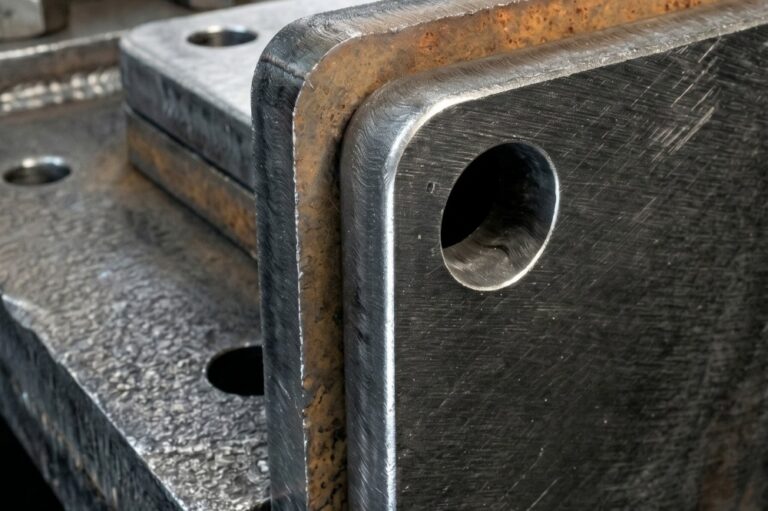
Many production processes for titanium parts introduce sharp edges, which can lead to stress accumulations and fragilities that compromise overall performance. Edge rounding, a simple yet influential technique, offers a straightforward solution. It demands slightly filleting the severe edges of a part during the fabrication stage. This moderates stress zones, heightens operational ability, and can avoid splitting. Benefits are further amplified when dealing with complex shapes or parts subjected to extreme pressure. Considerations include the preferable radius of the bevel and its implication on integration with other units.
- Mitigates Stress Points
- Strengthens Resistance Performance
- Deters Damaging
Residue Cleaning vs. Edge : Learning the Variations
Though many practitioners use the Slag Removal phrases “slag clearing” and “deburring” equivalently, they represent distinct procedures in metal construction procedures. Deburring focuses on clearing the sharp, often tiny, outgrowths created during forming operations—these are excess material of alloy left on the piece. Waste excision, conversely, addresses these byproduct – typically a combination of impurities – that occurs during processes like joining. Essentially, deburring deals with unwanted flanges, while slag removal deals with the waste of a separate action. Finally, digital deburring and waste removal units are indispensable components of modern metal production that maintain exceptional finished products with limited defects and strengthened efficiency.Finalizing this overview highlights the critical role of advanced automated deburring technologies in shaping manufacturing standards and guiding businesses obtain superior productivity and caliber.