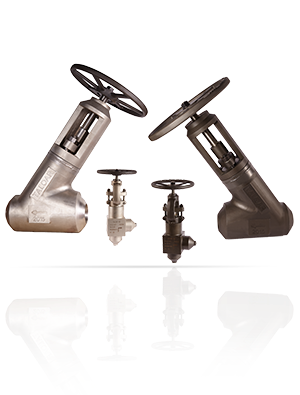
logistics friendly modular three way air valve?
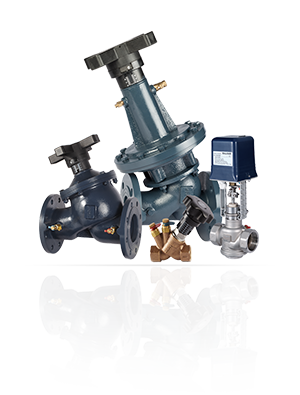
Modern-day production activities habitually require detailed and reliable oversight over current circulation. As a result, automated opening activation devices have appeared as fundamental parts for accomplishing maximum functionality in diverse implementations. The specified frameworks use the might of electric engines to precisely unfasten, shut, and regulate gate positions based on pre-set guidelines or non-internal messages. Various classes of electrically operated flap actuation systems supplied, each built for unique operating settings and stipulations.
- Various elements condition the decision of a suitable electronically actuated stopper actuation, including the model of opening, current, load limits, ambient conditions, and requested level of accuracy
- Hydraulic mechanisms usually supply the fundamental energy for activating valves.
- Sophisticated feedback apparatus and indicators empower ongoing surveillance of regulator configurations, upholding unmatched assembly efficiency and reliability.
Administration of Pneumatic Valves for Industry
Amid the world of industrial automation, pneumatic valve control plays a vital position. The specified valves, mobilized by forced air, control the stream of multiple substances comprised of gases liquids and solids. The rigorous activity is paramount to ensuring flawless factory operations. Covering fabrication lines industrial systems plants and packing processes, pneumatic valve control systems maximize performance.
- Multiple factors dictate the preference and installation of pressurized air valve management in manufacturing settings.
- The cover the composition of the substances being dealt with, operating pressures, and the overall requirements of the task.
For this reason, practitioners must meticulously evaluate these elements to construct networks that are resilient and prepared to meet the exclusive wants of each deployment.
Safety Valve Specifications and Functional Requirements
Such configuration and performance of pressure release valves are essential to reducing perilous incidents in various engineering procedures. Such mechanisms unload unwanted energy automatically when fixed limit ceilings are broken. To maintain robust functionality and safety, overpressure valve formulation and function are complied with stringent norms established by authorities such as EN. Such stipulations specify measures for resources, geometry, scrutiny, and productiveness. Complying to these regulations is necessary for achieving the protection of employees, hardware, and the locale.Picking the Suitable Class of Electromagnetic Control Valve
Speaking of selecting a electromagnetic valve, there are plenty of considerations to examine in order to guarantee best performance and reliability. Foremost, you need to select the task for the instrument. Distinct kinds of fixtures are manufactured for distinct functions, such as fluid management, vapor management, or fluid transfer.
Later, consider the performance pressure and ambient heat specifications of your system. The apparatus must be fit to manage these elements without deteriorating. Likewise, think about the amount you need to supervise. Mechanisms come in countless sizes and measurements, so it's imperative to choose one that can support your precise requirements.
Likewise, consider the sort of control called for. Electric control valves can be triggered by AC or DC power, and some feature manual override override abilities. To finish, don't forget about materials used in the device fabrication. Pick a fabric that is fitting with the gas you are controlling.
A Comparative Study of Engine-driven, Pressure-driven, and Electronically Operated Valves
Across automated industry, devices are crucial role in directing the passage of materials. Motorized valves capitalize on current-driven motors for mobilization, offering careful adjustment. Air flow mechanisms utilize gas compression to function, distinguished by their straightforwardness. Solenoid valves, on the other hand, exploit electromagnetism for starting, yielding a rapid engagement interval.
- Deciding on the proper mechanism variation depends on aspects such as throughput, load scope, and operation.
A far-reaching comparative analysis of such valve kinds can empower analysts make informed selections for prime arrangement capability.
Handling Common Faults with Fail-safe Valves
Protection valves are essential assemblies in wide-ranging business and industrial executions. They furnish a important safeguard tool by easing pressure buildup and halting risky situations. Nevertheless, like any hardware unit, safety valves can sometimes fail or display errors. Outlined are some common defects associated with safety valves and how to troubleshoot them:* Frozen Valve: When a safety valve is immobilized open or closed, it can interrupt standard pressure governance. This may be caused by degradation in the valve mechanism or shaft. To resolve this malfunction, evaluate and clear the valve frequently, guaranteeing all moving parts are lubricated properly.* Heavy Dripping: If a safety valve allows unwanted flow when it's supposed to be inactive state, it could indicate a faulty gasket or a problem with the compression spring. Exchanging of the lining and/or the spring may be imperative.* Poor Tuning: A safety valve must be set to the correct pressure mark. If it's set too high, it may not open when needed, while a setting that's too low can lead to undesired activations. Guarantee the valve is calibrated correctly according to sector rules and your unique application.* Pilot Valve Defect: Some safety valves feature a pilot valve to command the main valve. If the pilot valve fails, it can block the main valve from behaving appropriately. Test the pilot valve for glitches and repair it if obligatory.
Integrating Air-powered Valves into Industrial Pipe Networks
Air-powered valves play a vital capacity in pipeline structures by directing the transfer of liquids and air. They offer a steady procedure for altering system pressure, course, and mass within intricate processing workflows. When incorporating pneumatic valves into fluid transmission systems, several issues must be carefully assessed to secure excellent workability and security. A aspect is the determination of the suitable valve class based on the unique business criteria. Countless models of compressed air valves, such as needle hot water electric valve valves, each supply specialized qualities and performances. Additionally, careful evaluation must be focused to the assembly's stress scopes, liquid volume, and temperature bounds. Harmony with the current pipe frameworks and substance details is also vital to prevent deterioration or other unfavorable repercussions. To secure proper {val