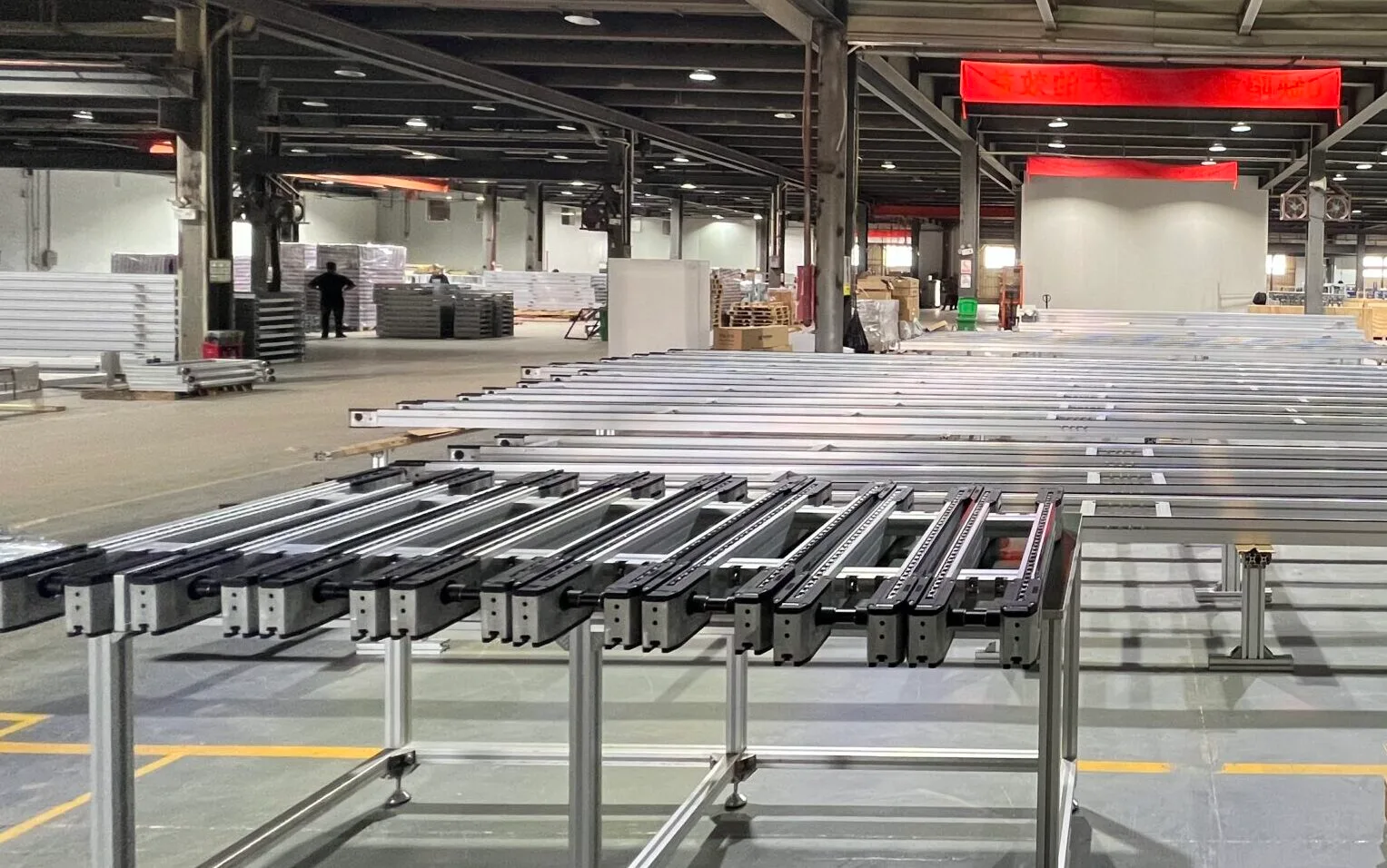
nWhat productivity benchmarks can an automated pallet conveyor help you reach?
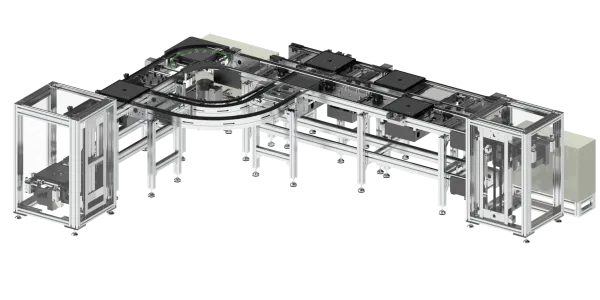
As of now belt companies are pioneering significant developments designed to improve industrial processes. New assemblies incorporate dynamic features, such as current surveillance and predictive repair, lessening downtime and boosting overall capacity. Considerable enhancements include customizable parts for less complex integration and maintenance, alongside low-power drive techniques that lower running payments. At last, these progresses empower businesses to obtain greater effectiveness and maintain a front-running advantage.
Programmable Transport Solutions: A Inclusive Guide for Enterprises
Automated moving systems are changing the creation landscape, presenting significant benefits to businesses of all ranges. This guide examines the key concepts of these systems, including everything from models of conveyors to positioning and preservation. Consider pursuing automated solutions for increased throughput, reduced employment charges, and improved security in your premises. Here's a brief overview:
- Mastering Different Conveyor Types: Drag conveyors, roller systems, and more.
- Gains of Automation.
- Deciding on the Right System for Your Demands.
- Major Factors for Integration.
- Best Guidelines for Renewal.
By thoughtfully assessing your activities and shaping your system, you can realize significant benefits and hold ahead in today's rapid market. A state-of-the-art automated conveyor system can be a beneficial asset for any next-generation business.
Bulk Conveyor Solutions: Increasing Warehouse Efficiency
Refining distribution center capacity is important for leading-edge businesses, and unit load logistics systems offer a potent response. These innovative systems enhance the distribution of boxes covering your facility, considerably cutting workforce costs and amplifying holistic efficiency. Consider these potential advantages:
- Greater pace of merchandise dispatch
- Lowered chance of injury
- Enhanced room usage
- Augmented safeguarding for personnel
Automated Transport Solutions: The Future of Material Operations
Next-generation adaptive conveying mechanisms are promptly revolutionizing the asset logistics landscape. These multifaceted strategies apply analytics, probes, and artificial processing to boost performance, lessen mistakes, and expand entire production effectiveness. From warehouses to construction premises, the integration of intelligent conveying mechanisms delivers a substantial industry upper hand for organizations working to boost their material chains and accommodate the needs of an developing sector.
Selecting the Effective Transport Manufacturer: Fundamental Factors
When picking a transport constructor, several key elements deserve review. To start, inspect their track record and specialization in your distinct business. In addition, scrutinize their development capabilities and skill to supply designed answers. Elude overlooking user opinions and opinions to assess their standing. At last, compare charges and execution schedules to certify you're receiving the ideal worth for your expenditure.
Maximizing Production with Automated Conveyor Systems
To strengthen output within a processing workplace, automated lindustrial chain conveyor conveyor setups offer a notable boon. These cutting-edge solutions enhance the logistics of supplies throughout the facility, curtailing human resource expenses and lowering the possibility of inaccuracies. Implementing a well-designed conveyor system can drastically elevate flow rate, culminating in amplified earnings. Considerations should include aspects such as output levels, space constraints, and cost limitations.
- Cuts labor fees
- Augments fabrication pace
- Enhances output
Container Conveyor Design: Boosting Space and Throughput
Smart pallet distribution system scheme is paramount for elevating warehouse functionality and throughput. A well-thought-out approach focuses on a combination of space management and the rate at which pallets are transported. This typically involves a thorough assessment of present workflows, anticipated growth, and the available footprint of the area. Careful consideration must be given to elements such as pallet size, mass, and the types of automation to be utilized.
- Scalable design allows for coming expansion.
- Measured placement of intersection points minimizes journey distance.
- Leveraging vertical volume with multiple tiers significantly increases capacity.
Ultimately, the end is to create a sound and prudent system that backs seamless pallet flow throughout the whole warehouse operation.
Central Upsides of Connected Transport Solutions for Advanced Processing Centers
The rise of Industry 4.0 has triggered a vital shift in processing operations, and connected conveying technologies are playing a important role. These state-of-the-art solutions deliver a rich range of gains that enhance efficiency and curtail charges. Unlike traditional transport conveyors, intelligent platforms leverage data from sensors and state-of-the-art algorithms to adjust material traffic in real-time. This causes fewer bottlenecks, less interruptions, and raised total capability.
Here’s a succinct look at some of the key upside:
- Improved Agility to varying production pressures.
- Lowered staff requirements through automatic management.
- Instant awareness into material status for augmented product regulation.
- Efficient material conveyance reducing destruction.
- Strengthened staff welfare through the removal of labor-intensive material conveyance.
To sum up, choosing intelligent conveying solutions represents a wise capital for contemporary assembly plants intending to secure a dominant supremacy.
Collaborating with a Foremost Flow Manufacturer: What to Foresee
When resolving to associate with a premier conveyor supplier, countless inputs come into play. Firms often predict a professional team staffed to deliver tailored support, comprising modeling assistance, assembly guidance, and ongoing maintenance. In addition, count on a firm attention on accuracy and innovation, potentially leading to efficient supply distribution approaches adapted to your specific preferences. Concludingly, launching a steady engagement will generally involve communicative communication and a shared goal of functional superiority.