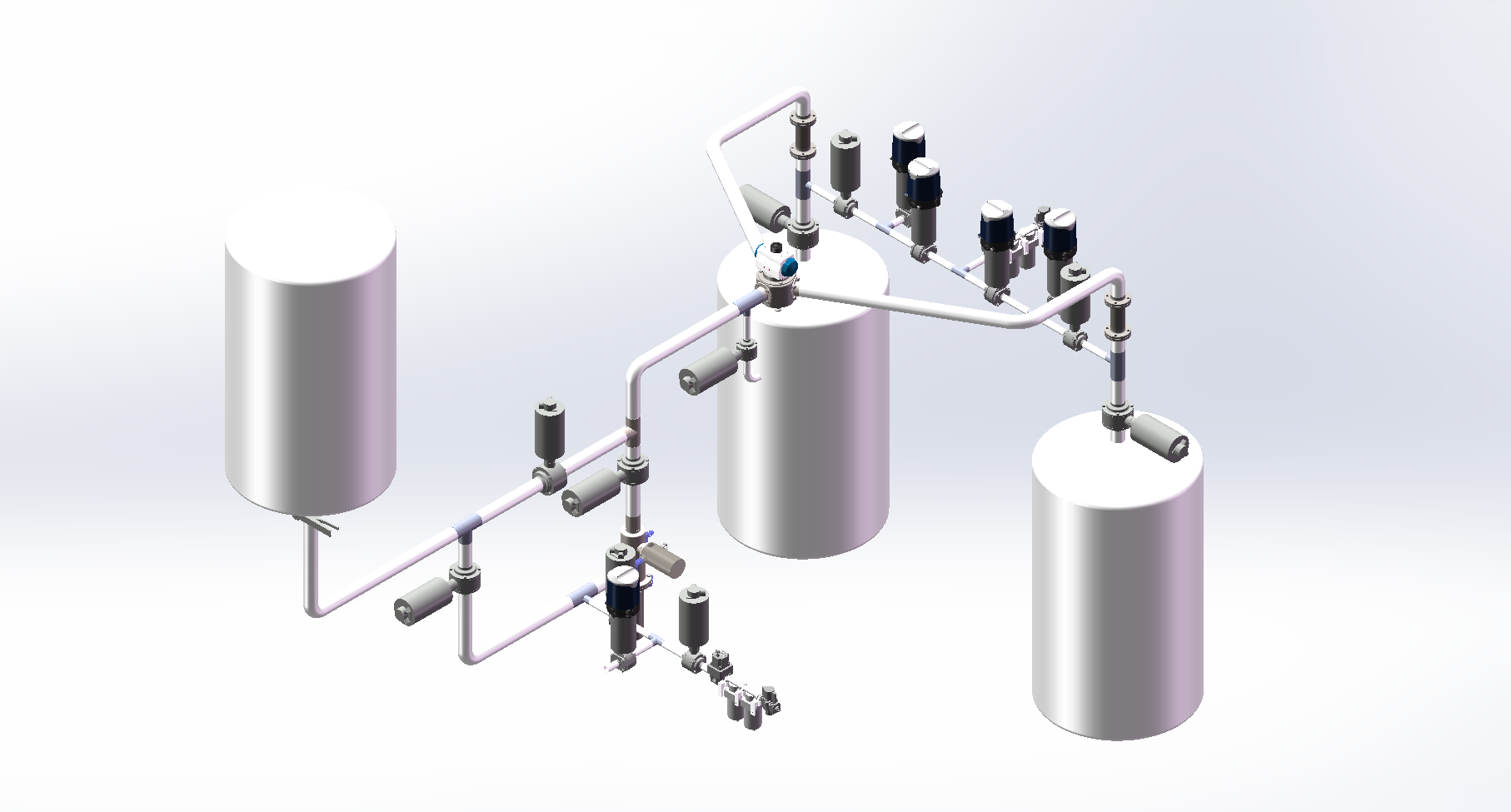
results driven distributed sanitary pigging in modular skids?
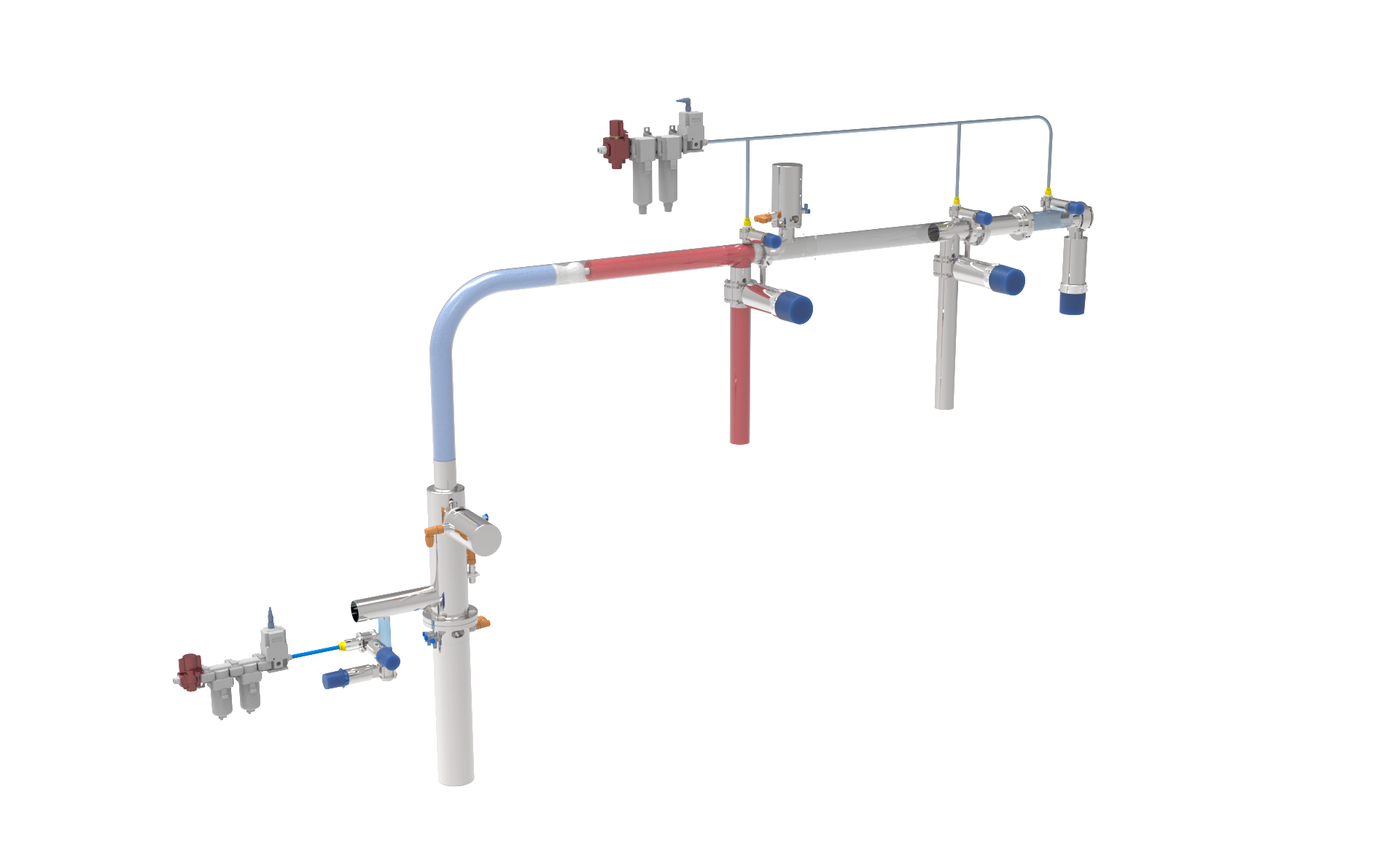
Initiating Progressive sanitary pigging systems Fluid Transfer Technologies
Food-Grade Pigging Practices
Utilizing sanitation-centric pigging workflows establishes best purity plus production quality. This technology feature high-grade materials capable of withstanding comprehensive hygiene regimens through limiting bacteria growth.
- Innovative designs adopt efficient sterilization routines, improving functional performance.
- Meeting legal requirements is imperative for each sanitization framework implemented in food processing. Mechanisms are engineered to conform to tough legislation, maintaining the preeminent hygiene status.
Optimizing Fluid Transfer Improvements through Pigging
Pipeline maintenance pigging tools offers a dominant procedure for boosting pipeline throughput. With utilizing intelligent pig placement and strategic evaluation timetables, maintenance staff can limit operational pauses, enhance transit rates, and guarantee pipeline soundness. Pigging spots potential defects such as plugs or corrosion but also allows efficient repair and monitoring practices. This forward-looking channel supervision greatly lowers service charges and fosters the overall reliability of the network.
Safety Enhancement via Pigging in Pet Nutrition
Pigging systems have become essential components within the canine and feline food manufacture industry. These systems simplify the safe and efficient handling of feedstocks through flumes, reducing mixing hazards. By thoroughly separating different ingredients or production lots, pigging systems aid preserve the highest levels of caliber and integrity in pet food production.
What's more, pigging systems yield a portfolio of benefits, involving reduced downtime for upkeep and support, improved processing effectiveness, and small raw material leak. The use of pigging systems in the end backs the production of risk-free, balanced, and dependable pet food.
The Importance of Sanitary Design in Pigging Systems for Pet Food
Within the development of pet food, guaranteeing reliable sanitation is fundamental. Pigging systems are central in maintaining product integrity and security by successfully sanitizing pipelines between fabrication stages. A well-designed pigging system entails aspects that reduce pollution hazards, increase secure cleaning workflows, and block ingredient transfer between batches.
- Employing polished textures controls the potential for biofilm development.
- Compounds that are sanitizable and decay-resilient are required for maintaining hygiene.
- Suitable controllers avoids the regurgitation of intrusions during maintenance and ingredient conveyance.
Optimized pigging constructs also increase operational efficiency by decreasing downtime for maintenance. By carefully clearing residues and fending off cross-contamination, these systems assist to a more robust production process, conclusively leading to the assembly of risk-free and exceptional pet food.
Pipeline Hygiene and Evaluation
Maintaining the quality of flow paths is indispensable for uncontaminated and productive movement of materials. Pigging systems present a low-cost technique to upholding pipelines. A pig, also referred to as a pipeline mechanism, performs as a specialized device introduced through the pipeline to complete various operations. Cleaning pigs eliminate buildup and contaminants, while inspection pigs are installed with technology to detect erosion in the pipe walls. Regular pigging helps diminish pipeline disruption, securing safe and reliable process.
- Various types of pigs function, each designed for specific roles.
- Pigging operations are effective and can be managed remotely.
- Executing a pigging program can extend the service life of pipelines and cut down maintenance costs.
Leading-Edge Pigging Methods for Pet Food Production
Pigging is recognized as a essential procedure in the pet food industry, affirming efficient and sanitary production.
Sophisticated pigging technologies use sophisticated equipment to efficiently decontaminate pipelines. This diminishes the risk of pipeline pollution between different pet food mixtures, thereby elevating product safety and quality.
Furthermore, advanced pigging systems offer a range of benefits such as: * Improved effectiveness in sanitation operations * Decreased inefficiency periods * Optimized disinfection processes * Limited demand for risky chemicals
The embrace of these technologies underscores the pet food industry's commitment to manufacturing safe and nutritious products for buyers.
Complications and Resolutions in Pigging Systems for Pet Food Production
Pigging procedures are fundamental in the pet food production process, supporting efficient flow of elements and finished products. However, these systems experience a variety of challenges. One standard obstacle is blockages caused by element clustering. Handling this issue involves implementing pigging processes such as customizable devices and refining ingredient structures.
Another concern is the threat of contamination. Prevent this, strict cleansing protocols ought to be maintained throughout the pigging system. This includes regular scrubbing of pigging appliances and adoption of potent cleaning formulas. Regular maintenance are also significant to recognize potential problems early on. By following these solutions, pet food manufacturers can secure the efficiency and safety of their pigging systems.
Profitability of Pigging Tools for Pet Food
Pipeline cleansing solutions offer a variety of benefits for pet food manufacturers dedicated to optimize their production processes. These systems deploy air-driven pressure applied to propel this pig, a cleaning device, through the pipeline, effectively removing product residue and contaminants. Thus, pigging systems assist to augmented hygiene standards, minimizing the risk of cross-contamination and maintaining a safer final product for consumers.
- What's more, pigging systems can increase production efficiency by cutting downtime for cleaning and maintenance.
- Additionally, they aid to shrink waste by avoiding product loss during pipeline cleaning.
- Conclusively, pigging systems can be tailored to fit the specific requirements of different pet food production lines.
Proven Outcomes of Pigging in Pet Food Plants
Animal feed business is rising in need of efficient and sanitary systems for keeping optimal product quality. Pigging systems have grown as a dominant solution to meet these demands, offering a reliable method for cleaning and maintaining pipelines within pet food plants.
Multiple case studies highlight the success of implementing pigging systems in various phases of pet food production.
- Producers like [Company A], [Company B], and [Company C] have reported significant improvements in sanitation, product consistency, and overall operational effectiveness following the adoption of pigging systems.
- Rewards such as reduced downtime for cleaning, minimized cross-contamination risks, and improved visibility of product flow have been confirmed in these case studies.
What's more, pigging systems contribute to resource reduction by improving resource utilization and minimizing waste generation.
Picking the Right Pigging System for Your Pet Food Pipeline
In terms of safeguarding the integrity standards of your pet food pipeline, a effective pigging system is necessary. Pigging systems boost efficiency by wiping out product residue and cutting down cross-contamination between batches. Selecting the relevant system depends on a variety of requirements, including your output, ingredient characteristics, and present infrastructure.
- Review the cross-section of your ducts to ensure a fitting pig design.
- Assess the texture of your pet food products to identify the ideal pig material and rapidity of operation.
- Stress systems that embrace features like computerized launching and retrieval for upgraded operational safety.