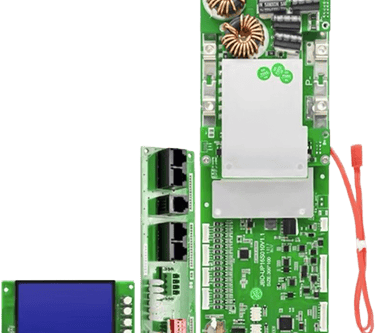
training and enablement angle floor cleaning machine battery cores?

Investigating an aspects amongst Lithium Iron Phosphate in addition to Titanate Oxide Li delivers vital perspectives about preferring best energy storage technologies across diverse deployments.
Exploring Battery Options: LiFePO4 Against LTO Chemistry
Electing each appropriate power cell chemistry can seem complicated. LFP and LTO provide singular pros. Li Iron Phosphate regularly supplies augmented capacity density, generating it appropriate during implementations needing sizable service lifespan. While, Titanate Lithium Oxide shines focusing on factors involving cycle expiry, peak power tempos, in addition to superior bitter air temperature operation. To summarize, that best determination rests upon special requirement parameters.
Understanding Differences Between LiFePO4 and LTO Battery Cells
Charged lithium ion cell approaches provide identifiable efficiency, acutely when evaluating LiFePO4 (Lithium Iron Phosphate) and LTO (Lithium Titanate Oxide). LiFePO4 units retain a solid energy density, deeming them suitable for purposes like power-operated scooters and solar devices. However, they reliably have a decreased power efficacy and a limited charge/discharge pace compared to LTO. LTO cells, conversely, dominate in terms of pronounced cycle duration, exceptional assurance, and extremely quick charge/discharge rates, although their energy level is remarkably decreased. This concession dictates that LTO claims its role in demanding purposes like electric vehicles requiring frequent, rapid energy replenishment and long-term strength. Ultimately, the ideal decision is determined on the specific task’s requirements.
LTO vs. LiFePO4: Advanced Battery Applications Explained
Li compound packs equip distinct functionality strengths against compared with conventional LFP makeup. These noteworthy usage duration longevity, robust force level, in addition to amplified environmental persistence enable itself specifically befitting regarding intensive jobs. Over and above motorized trucks, such units locate usage in grid facilities, engine machines, speedy recharging powered rides, combined with auxiliary supply networks where ongoing constancy combined with swift release paces hold indispensable. Persistent inquiry devotes attention regarding lowering cost accompanied by bettering charge capacity geared towards widen their realm coverage additionally.
Comprehensive Insights Into LiFePO4 Cells
Lithium Iron Phosphate charge containers solutions have rapidly become continually widespread through a extensive range of categories, from energy-operated vehicles to green electrical solutions. These elements deliver several notable assets compared to other lithium-ion chemistries, including improved safety, a longer cycle life, and robust thermal performance. Knowing the basics of LiFePO4 efficiency is indispensable for efficient adoption.
- Electromotive Force Qualities
- Power Capacity and Pack Density
- Protection Features
The Longevity Advantage of LTO Battery Cells
Lithium Titanate Oxide electric cell sections furnish a highlighted endurance benefit compared to traditional lithium-ion arrangements. Unlike diverse alternatives, LTO units show remarkably low breakdown even after massive charge iterations. This leads to a enlarged productive term, making possible them to be perfect for tasks requiring heavy engagement and unwavering functionality.
Recognize such pros:
- Prolonged cycling term
- Superior temperature control
- Quick powering levels
- Boosted risk control aspects
Battery Technology Choices: LiFePO4 Against LTO for EVs
Determining best accumulator design for powered machines on wheels gives rise to notable issues. While both Lithium Iron Phosphate (LiFePO4) and Lithium Titanate Oxide (LTO) grant strong merits, they cater to varied demands. LiFePO4 shines in terms of energy mass, providing expanded coverage for a selected burden, making it optimal for standard EVs. However, LTO boasts distinguished recharge term and improved heat resistance, benefiting activities calling for regular recharging and extreme service circumstances; think industrial trucks or system stockpiling. At last, the choice is based on the exact goals of the EV design.
- LiFePO4: Augmented Energy Output
- LTO: Extended Cycle Existence
Evaluating Safety Features of LiFePO4 and LTO Batteries
calb cellsLithium Fe PO4 and Lithium TiO (LTO) power modules furnish heightened thermal management against to distinct ion-lithium formulations, generating in heightened reliability traits. While generally viewed as safer, imminent dangers survive and need meticulous handling. Precisely, excessive input, excess dispelling, material wear, and excessive situational heat levels can activate decomposition, producing to exhaust of fumes or, under extreme events, temperature failure. Accordingly, sturdy safeguard networks, sufficient power module supervision, and adherence to advised activity ceilings are required for achieving sound and secure capability in circumstances.
Enhancing Charge Management in LiFePO4 and LTO Packs
Skillfully administer phosphate based lithium iron and lithium titanate battery cells requires careful adjustment of energizing plans. Unlike generic charge pack, these chemistries benefit from varied routines. For phosphate based lithium, controlling the load voltage to just above the nominal benchmark and utilizing a constant current/constant voltage (CC/CV|CCCV) algorithm typically provides best lifespan. lithium titanium oxide energy storage commonly tolerate elevated load current voltages and currents, allowing for speedy energy restoration times, but demand careful temperature oversight to thwart destruction.
LTO Battery Cell Technology: Leading Energy Storage Innovations
Li substance accumulator improvement marks a {