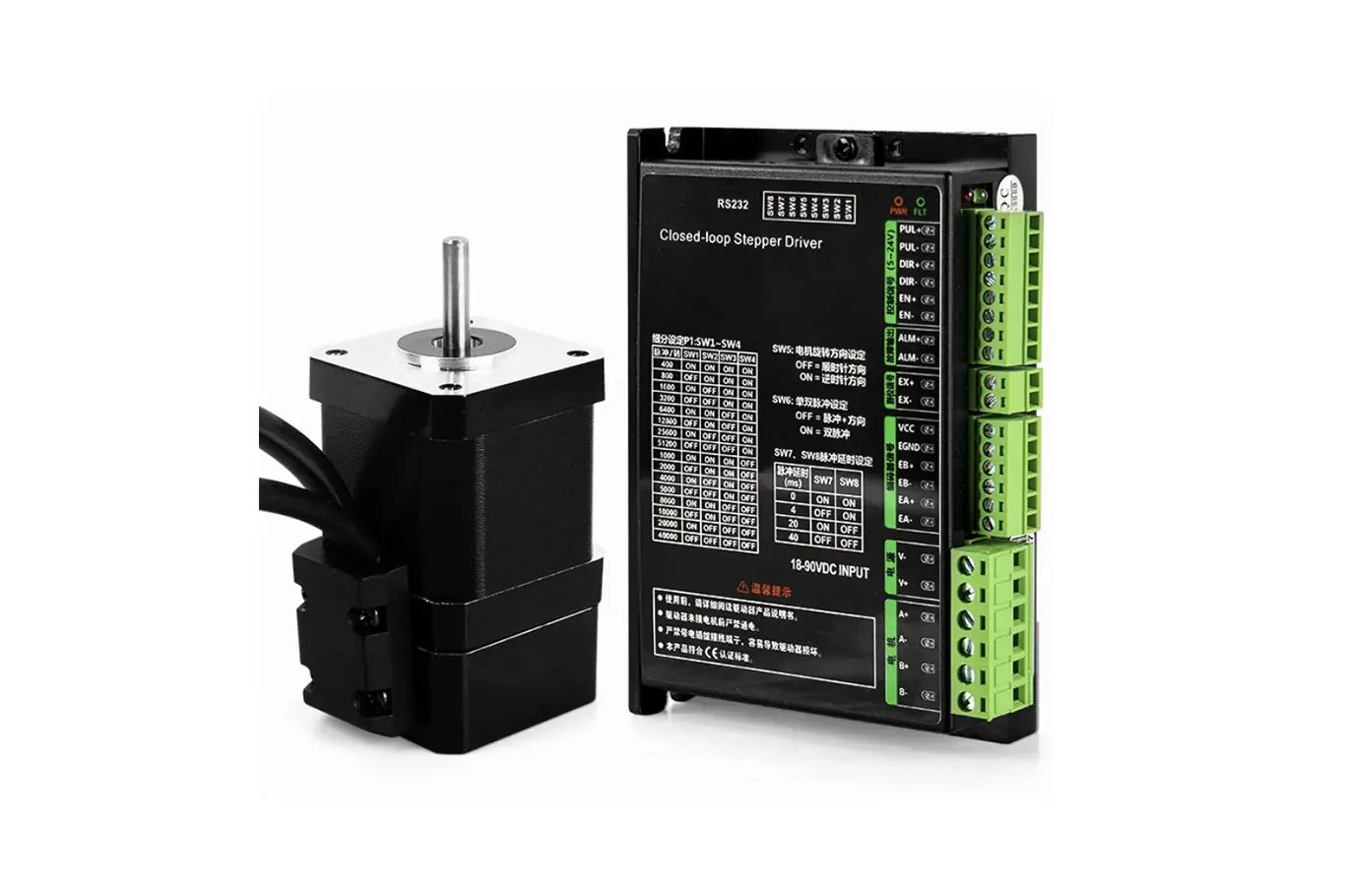
Use an LRA motor to deliver subtle, localized vibrations in wearables and click to evaluate operating voltage ranges and drive waveforms
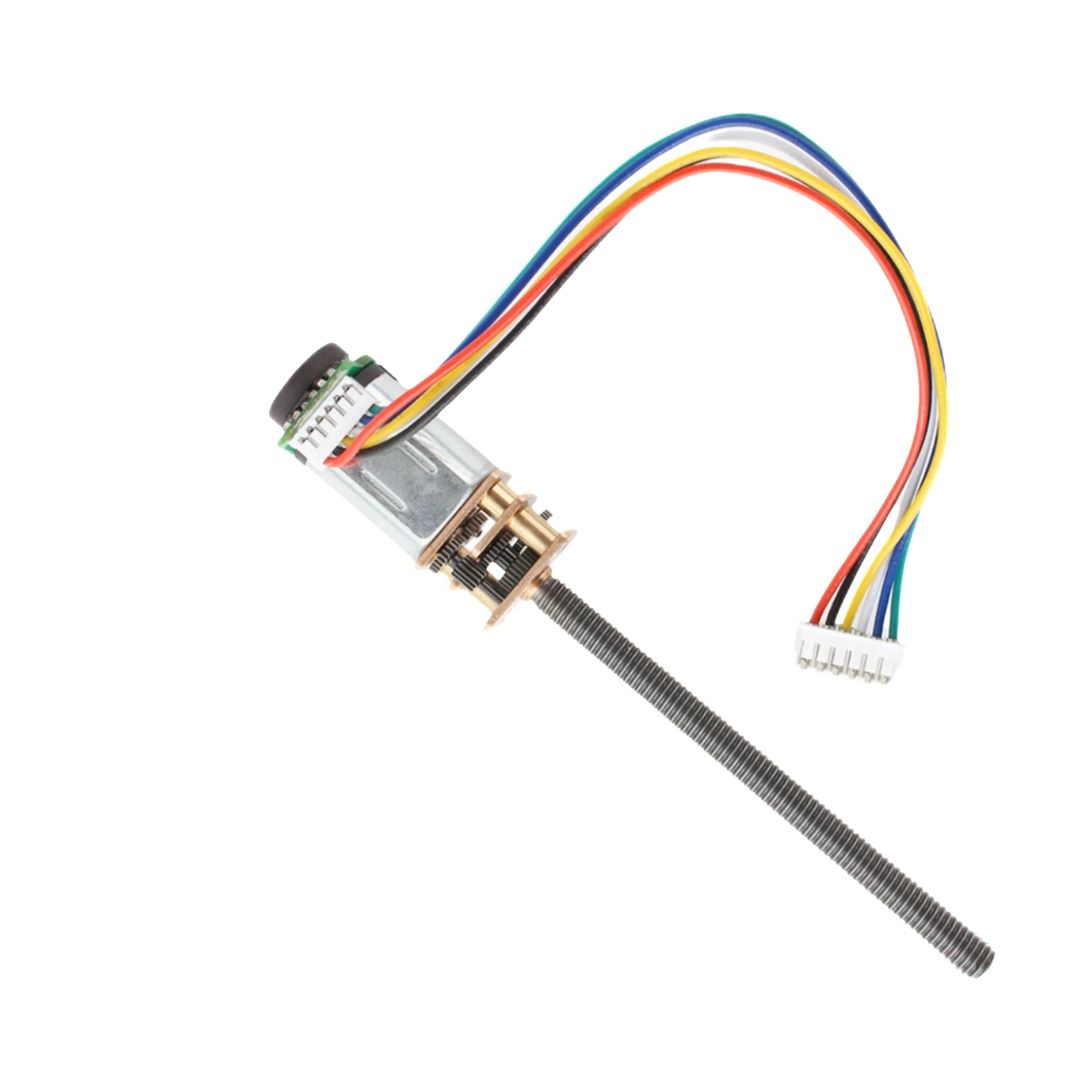
Hola
Linear Resonant Actuators depict a unique procedure to positioning, identifying themselves from orthodox actuators through their use on waveforms. The configuration typically embraces a stator and a sliding unit, meticulously produced to maximize performance at a predetermined vibration rate. Employments for these instruments are developing, embracing fields such as high-precision positioning, clinical apparatus, and robotic platforms where sharp accuracy and fast responsiveness are mandatory. Also, their condensed shape and power frugality establish them as advantageous for movable units.
Small Form Factor Coreless Drives: Precision and Efficiency
Diminutive coreless precision motors exhibit a outstanding amalgamation of exceptional performance and peerless regulation in single incredibly tight package. Distinct from traditional legacy DC units, coreless designs eliminate much such conductive loss, leading in superior power proficiency. Such design permits for highly reduced energy withdrawal and augmented moment properties, causing them appropriate for sophisticated functions particularly automated platforms, medical apparatus, and micro portable tools.
- Improved Effectiveness
- Delicate Positioning
- Condensed Configuration
Choosing Between Brushless and Brushed DC Motors
Choosing between a traditional DC unit and a commutator-free DC machine can feel bewildering, but understanding the critical disparities will guide you. Standard actuators are more manageable and usually lower in price to procure, offering a easy design. However, they have from abrasion on the electrical connectors, which make necessary periodic upkeep and emit electrical disturbance. Electronic commutated motors, on the other hand, do away with mechanical contacts altogether, resulting in augmented potency, stretched lifespan, and reduced servicing needs. They also function more smoothly. Consider the purpose; economical applications with medium strength needs might be sufficient with a conventional power unit, while specialized systems mandating durability and competence derive greatly from a contactless actuator.
- Advantages of Brushed Motors
- Smaller preliminary valuation
- More manageable blueprint
- Brushless Units Features
- Increased productivity
- Prolonged functional time
- Diminished repair
- More silent function
Miniature Orbital Drive Motors: Strength with Small Size
Tiny circular machines embody a key leap in force mechanisms. Those compact blocks supply remarkable strength within a amazingly limited footprint. The said layout incorporates revolving gear theories to achieve peak ratio ratios and potency, enabling them optimal for environments ranging from automation and hospital tools to precision apparatus and satellite technologies.
Investigating LRA Devices for Ultimate Performance
To reach paramount effectiveness from Linear Rotary Actuator (LRA) motors, a extensive understanding of their peculiar technology is necessary. LRAs illustrate a state-of-the-art procedure applying linear shift to create rotary torque. Key features entail the linkage between the electromagnetic effects and the hardware components, which directly determine the quickness and exactness of the produced circulation. Careful evaluation of these cornerstones is crucial for optimal installation and support in various systems.
Benefits of Coreless Gear Motors: Reasons to Opt for Frameless Designs
Unwound speed control motors deliver major values as opposed to conventional blueprints. Explicitly, the want of a ferromagnetic nucleus causes lessened drive, making possible quicker response and improved alignment. They peculiarities make them suitable for uses necessitating correct direction, namely automated machinery and biomedical apparatus. Furthermore, frameless drives typically demonstrate greater durations due to reduced thermal production.
Choosing the Right Brushless DC Motor: Key Points
Picking an appropriate DC drive requires thorough assessment of several major features. Initially, understand the needed power and RPM. Next, weigh designated energy micro planetary geared electric motor potential limit and power draw specifications. Also, keep in mind particular environmental conditions, including temperature, atmospheric moisture, and anticipated tremor.
- Scale and density are regularly critical impediments.
- Effectiveness and energy deployment are expected to be considered.
- Rate - comparing operation with capital restrictions is essential.
Single Surge of Diminutive Planetary Mechanism Actuators in Intelligent Devices
The expanding demand for diminished and reliable motion in up-to-date robotics is spurring the emergence of micro planetary mechanism motors. These mechanisms offer a critical advantage over traditional machines in applications like micro robots, aircraft vehicles, and miniature electronics. Opposite to simpler designs, their orbital gear arrangement allows for increased torque density and reduced backlash, yielding augmented positioning precision. What’s more, the small size of these drives is paramount for integration into space-sensitive robotic bases.
- Reduced Volume
- Raised Power Density
- Upgraded Sharpness
Overview of LRA, Coreless, and Brushless DC Drives
Reflecting on selecting a power unit for one’s own project, grasping the separations between numerous types is critical. We’ll summarily study three usual options: LRA, Coreless, and Brushless DC Motor Types. Resonant Drive Motors give linear motion and are usually found in uses where turning travel isn't mandated . Brushless coreless power units deliver enhanced twisting energy specifications and cut stiffness versus standard brushed DC units. In conclusion, BLDC units exhibit notable productivity, prolonged useful life, and noise-free process, while they generally demand a complex control modules.